- Thousand-Year Origins: Central Plains Craft Rooted in Eastern Fujian Mountains
A single pair of scissors and a stack of red paper can paint all living things within a tiny frame—this is Zherong paper-cutting, hailed as a “living fossil of central plains paper-cut art”. Nestled in mountainous eastern Fujian, Zherong County earned the title “Hometown of Chinese Folk Culture and Art” for its thousand-year paper-cut legacy. It was inscribed on China’s National Intangible Cultural Heritage List in 2008, and recognized as a UNESCO Masterpiece of the Oral and Intangible Heritage of Humanity in 2009 as a representative branch of Chinese paper-cutting, evolving into an internationally recognized symbol of oriental folk art.
Its history stretches back to the Tang Dynasty. Fleeing wars, settlers from central China migrated south to Fujian, bringing well-developed paper-cut craftsmanship to the isolated mountain valleys. Shielded by rugged terrain, the primitive, bold aesthetics of central plains paper-cutting were perfectly preserved here, while absorbing the delicate grace of southern Chinese folk art. After steady development through Song and Yuan dynasties, the craft flourished fully during Ming and Qing times. Initially, it was not an independent artwork but stencil patterns for embroidering shoes, bellybands and pillowcases. Village women learned cutting from elders from childhood; during farming breaks, they wielded scissors over red paper, weaving all their hopes for life into delicate lines and patterns.
- Exclusive Craftsmanship: Draft-Free Hand Cutting with Balanced Toughness and Elegance
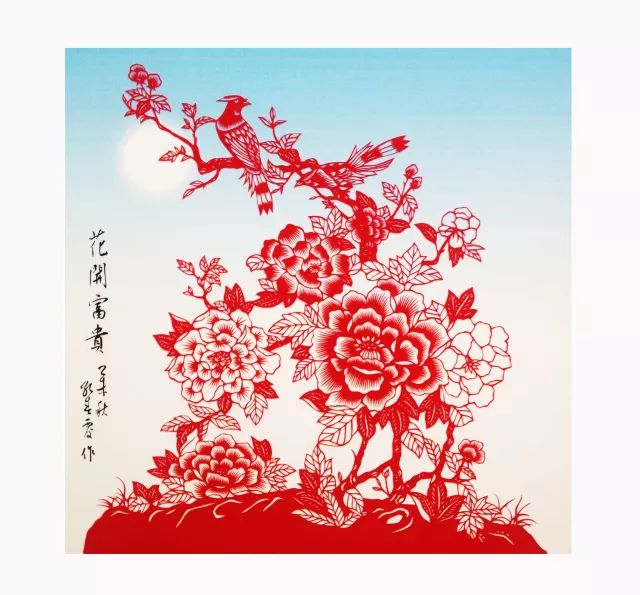
Different from northern paper-cutting that relies heavily on carving knives, Zherong paper-cutting sticks to the core technique of “scissors as primary, carving as secondary”, forming a distinctive aesthetic of “rough exterior, delicate interior” that makes it instantly recognizable. Local artisans follow the creation principle of “conceiving the image before cutting”: they work without drafts or sketch templates, cutting directly based on mental imagery. They first carve the overall outline, then hollow out inner decorative patterns in one smooth flow, infusing each piece with the vitality of spontaneous creation.
In terms of overall forms, Zherong paper-cuts reject rigid symmetry. Their outlines stretch freely, bold and vigorous, carrying the unrestrained freedom of primitive folk art. Yet a close look at hollowed details reveals extraordinary craftsmanship: fine petal veins, animal plumage and geometric patterns of She ethnic costumes are layered distinctly. The sharp contrast between rugged outer shapes and soft inner ornaments creates a harmonious balance of toughness and tenderness, mirroring the simple yet sensitive inner world of mountain villagers in Zherong. Artists mainly adopt positive cutting, complemented by negative cutting. Alternating solid and hollow spaces enhance the transparency of red paper, with clear black-and-white layers. Rich visual storytelling is achieved merely through red paper and blank gaps, without complex pigmentation.

- Folk Custom Carrier: Every Pattern Bears Auspicious Wishes of Locals
Zherong paper-cutting is never an isolated niche art, but an auspicious medium deeply woven into every folk custom in eastern Fujian. Its thousand-year core creation philosophy is “every pattern carries meaning, every meaning conveys blessings”, with diverse motifs matching people’s wishes for different life occasions. During Spring Festival, families cut patterns of fortune, rank, longevity and joy, pasting them on stoves, cabinets and farm tools to ward off misfortune and pray for bumper harvests. At weddings, wedding cuttings featuring mandarin ducks, pomegranates and peonies cover dowry quilts and gift boxes. Mandarin ducks symbolize loyal spouses; pomegranates with abundant seeds represent blessed descendants; peonies, the king of flowers, stand for lasting wealth and happy marriages.
Birthday banquets for elders often adopt combined patterns of pine, cranes, peaches and bats. Pines and cranes embody long life; bats share the same pronunciation as “blessing” in Chinese, so five bats surrounding a longevity peach form the classic “Five Blessings Embrace Longevity”, wishing seniors health and long years. For a baby’s one-month or one-year celebration, tiny paper-cut shoe ornaments and bellyband decorations with flower and bird patterns pray for children’s safe growth. Beyond universal auspicious motifs, Zherong paper-cutting integrates exclusive local cultural marks: figures from Maxian folk belief, totems of She ethnic costumes, eastern Fujian string puppet shapes and mountain farming scenes, granting each work unique regional features that set it apart from other Chinese paper-cut styles.
- Timeless Renewal: Traditional Paper-Cut Steps into Modern Creation & Global Stage
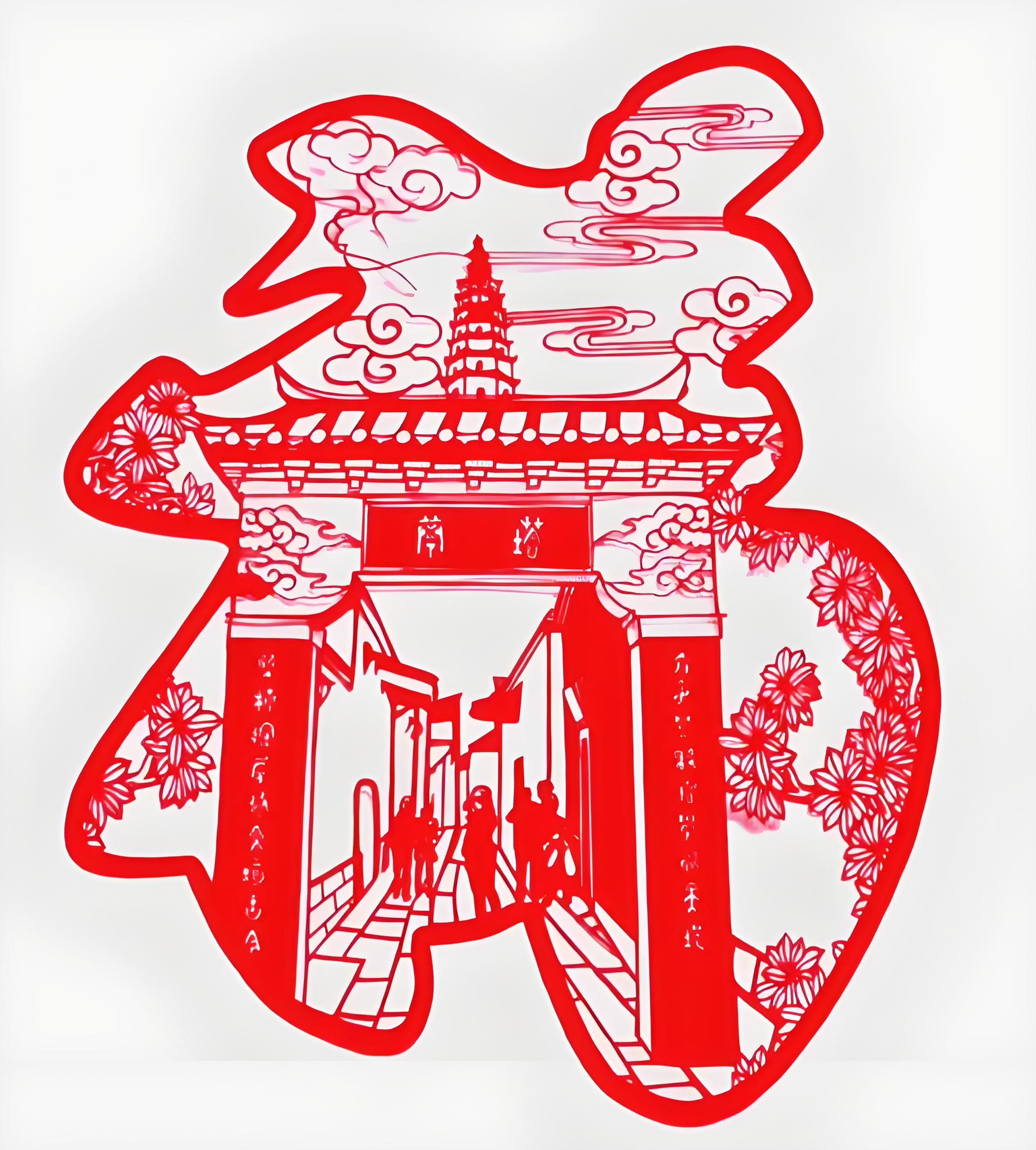
After a thousand years of evolution, Zherong paper-cutting has broken free from traditional folk custom boundaries and achieved innovative transformation, radiating fresh vitality in modern times. Local authorities have built paper-cut studios, school courses and professional cultural and creative workshops to systematically pass down scissor craftsmanship. Artisans step beyond classic window and wedding cuttings, extending paper-cut motifs to silk, porcelain, stationery, home decor and cultural travel souvenirs, bringing ancient patterns into modern daily life.
Meanwhile, Zherong paper-cutting travels far beyond the county and overseas, participating in domestic and international heritage art exhibitions, serving as a window to showcase China’s rural aesthetics to the world. Unlike mass-produced industrial cultural goods, handcrafted Zherong paper-cuts retain the warmth of human hands. Every irregular hollow and free curve carries the artisan’s inner feelings, and this irreplaceable handmade texture is its core charm that touches audiences worldwide across eras. From embroidery stencils for Tang-dynasty migrants to a world-class cultural heritage symbol, a sheet of red paper and a pair of scissors hold far more than a craft—they embody the enduring life ideals of eastern Fujian people passed down through generations: eternal wishes for prosperity, harmony and lasting happiness.
