1.Thousand-Year Origin: From Embroidery Templates to World Intangible Heritage
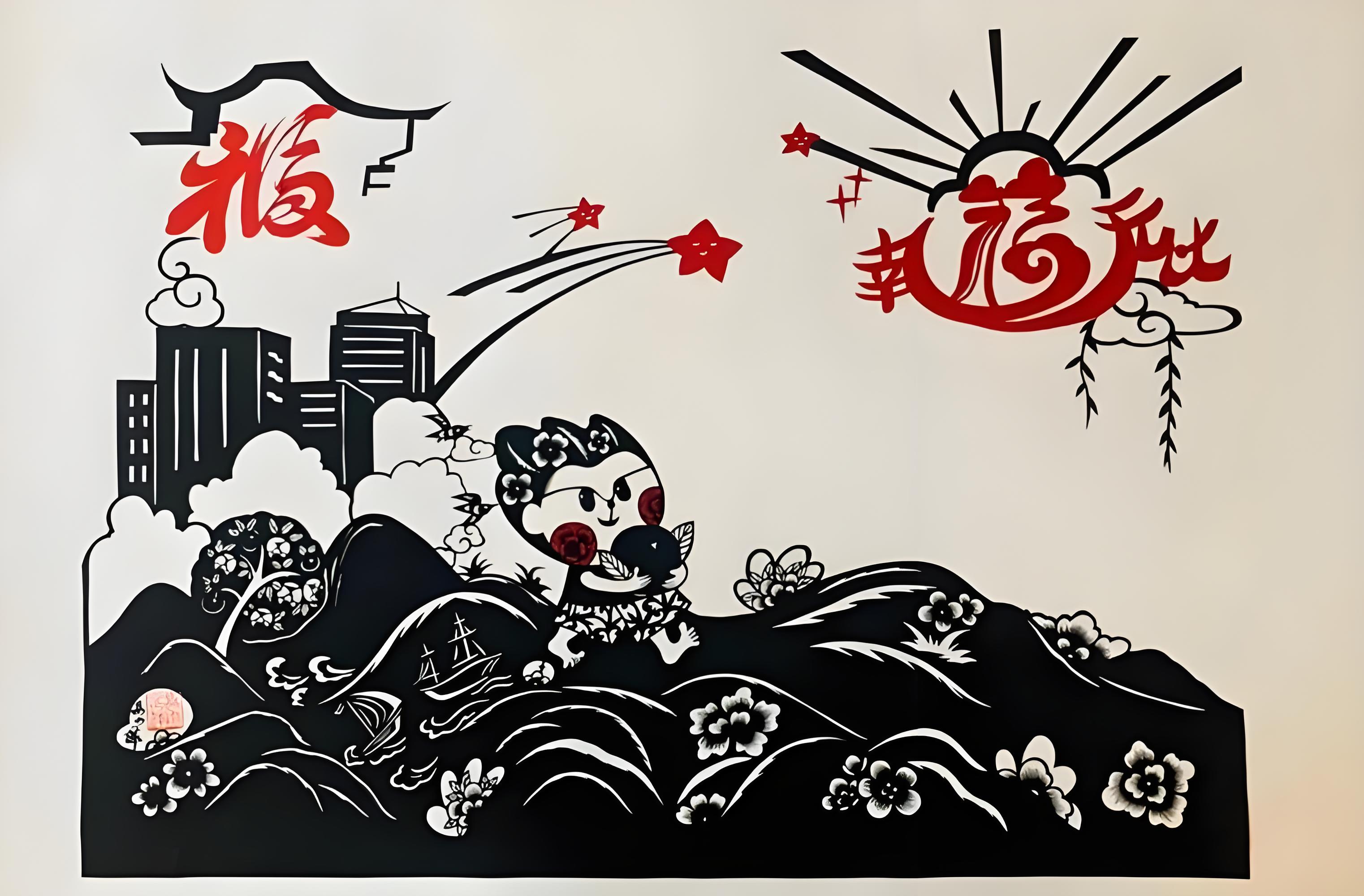
A sheet of red paper and a pair of scissors frame the thousand-year cultural lineage of Minnan, which is Zhangpu paper-cutting. Located along the coast of Zhangzhou, Fujian, Zhangpu has long blended migrated Central Plains culture and coastal marine civilization. Paper-cut craft was introduced here in the Tang Dynasty and flourished in the Song Dynasty, boasting a history of over 1,300 years. In its early days, Zhangpu paper-cutting was not an independent decorative art, but embroidery templates called "twisted patterns". Craftsmen pasted cut patterns on silk and embroidered along lines, which explains its delicate lines and layered outlines.
(Image Description: Antique Zhangpu paper-cut embroidery template on pale red rice paper with fine flower and bird lines, matched with vintage sewing basket)
As seasonal worship and wedding rituals thrived, northern window flower customs were brought to Minnan by migrants, turning paper-cutting into an independent folk decoration. The Ming and Qing dynasties marked its golden age. Local families created paper-cut ornaments for festivals. Records of Zhangpu County documented lantern festivals with "exquisitely cut colored floral patterns", proving its wide popularity. People pasted paper-cuts on sacrifices, betrothal gifts, lanterns and window frames, creating unique Minnan styles like cake flowers, pork trotter flowers and window blossoms.
2.Exclusive Craftsmanship: Row-Cutting as Core, Balanced Positive & Negative Cutting of Southern Style
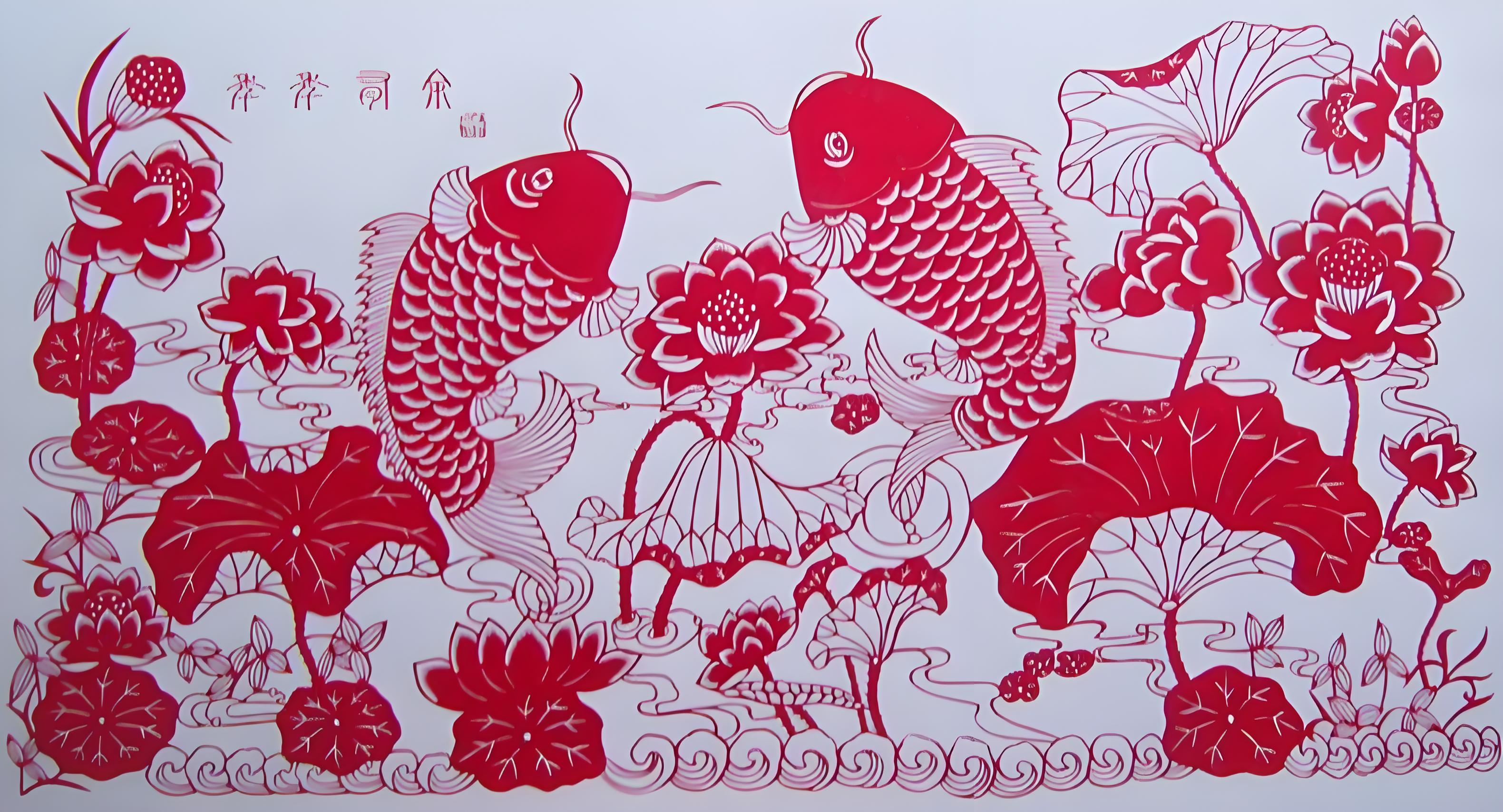
What sets Zhangpu paper-cutting apart from northern and other southern styles lies in its exclusive row-cut craft and balanced combination of positive and negative cutting, the defining signature of southern Chinese paper-cutting. It adopts positive cutting as primary, negative cutting as secondary: positive cutting retains object outlines and removes blank backgrounds; negative cutting carves out main shapes and keeps blank spaces as foils. Their combination creates vivid virtual-real contrast and rich layers without broken lines or thin visuals.
(Image Description: Close-up of craftsman performing row-cut, scissors carving hair-thin parallel lines on red paper for phoenix feathers)
Row-cut, the core craft of Zhangpu paper-cutting, includes short and long row-cut. Artisans cut dozens of evenly spaced, hair-fine continuous parallel lines to depict phoenix plumes, peony petals, fish scales and plant veins. Northern paper-cutting favors bold large blank spaces, while Zhangpu art fills frames with delicate row-cuts, forming an aesthetic of "dense yet orderly, elaborate yet uncluttered". Its full, balanced, symmetrical compositions reflect Minnan people’s fondness for completeness and good fortune.
For paper and color, Zhangpu paper-cutting mainly uses single red paper without multi-color dyeing, relying on density contrast of hollow lines for visual impact. Craftsmen use sun-resistant, fade-proof special rice paper for long-term preservation. Shaping follows the logic of "convey meanings through imagery", blending multiple auspicious symbols in one piece. It balances freehand vitality and realistic delicacy, prioritizing blessings over strict realism.
3.Mountain & Sea Folk Customs: Minnan Wishes Embedded in Paper-Cuts
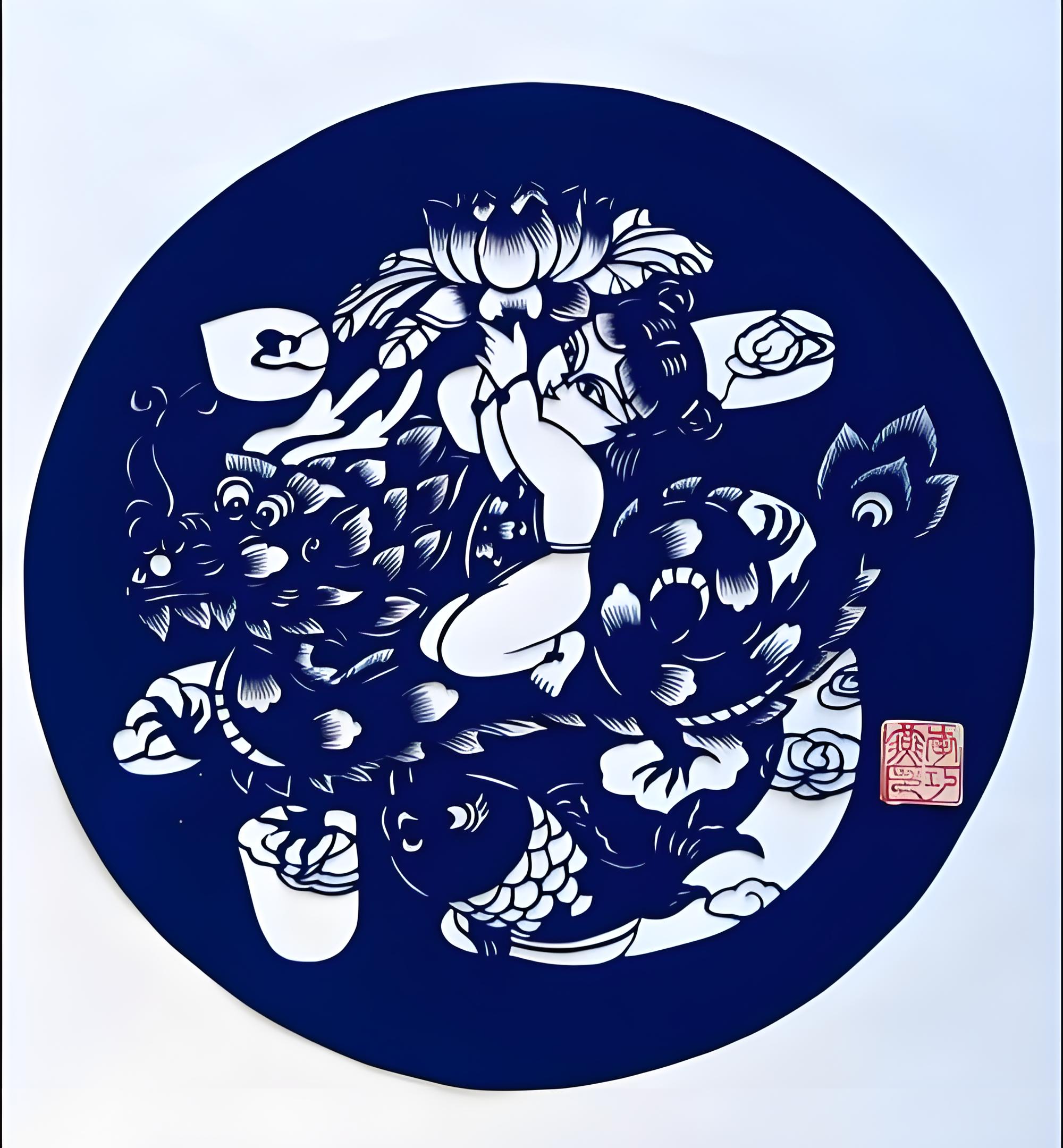
Rooted in Minnan folk life since its origin, every pattern of Zhangpu paper-cutting matches specific folk rituals, acting as a visual archive of local weddings, sacrifices, marine beliefs and festivals. For weddings, pork trotter flower is a unique regional pattern. In ancient times, grooms attached red pork trotter flowers to pork and pastry betrothal gifts, symbolizing fulfilling marriage and abundant food. Paired with mandarin ducks and peonies, they bless couples with lifelong harmony and wealth.
(Image Description: Traditional Minnan wedding betrothal scene, pork and pastry boxes decorated with pork trotter flower paper-cuts under red silk)
Sacrificial and festival patterns are even more diverse. During Spring Festival, families paste window blossoms and New Year paper-cuts featuring zodiac animals, carps and peonies for prosperity. Mid-Autumn paper-cuts depict families sharing mooncakes under the moon for reunion wishes. For Mazu worship and king boat rituals, artisans cut fishing boats, waves and fish to honor ocean gifts, embodying coastal Minnan people’s marine reverence.
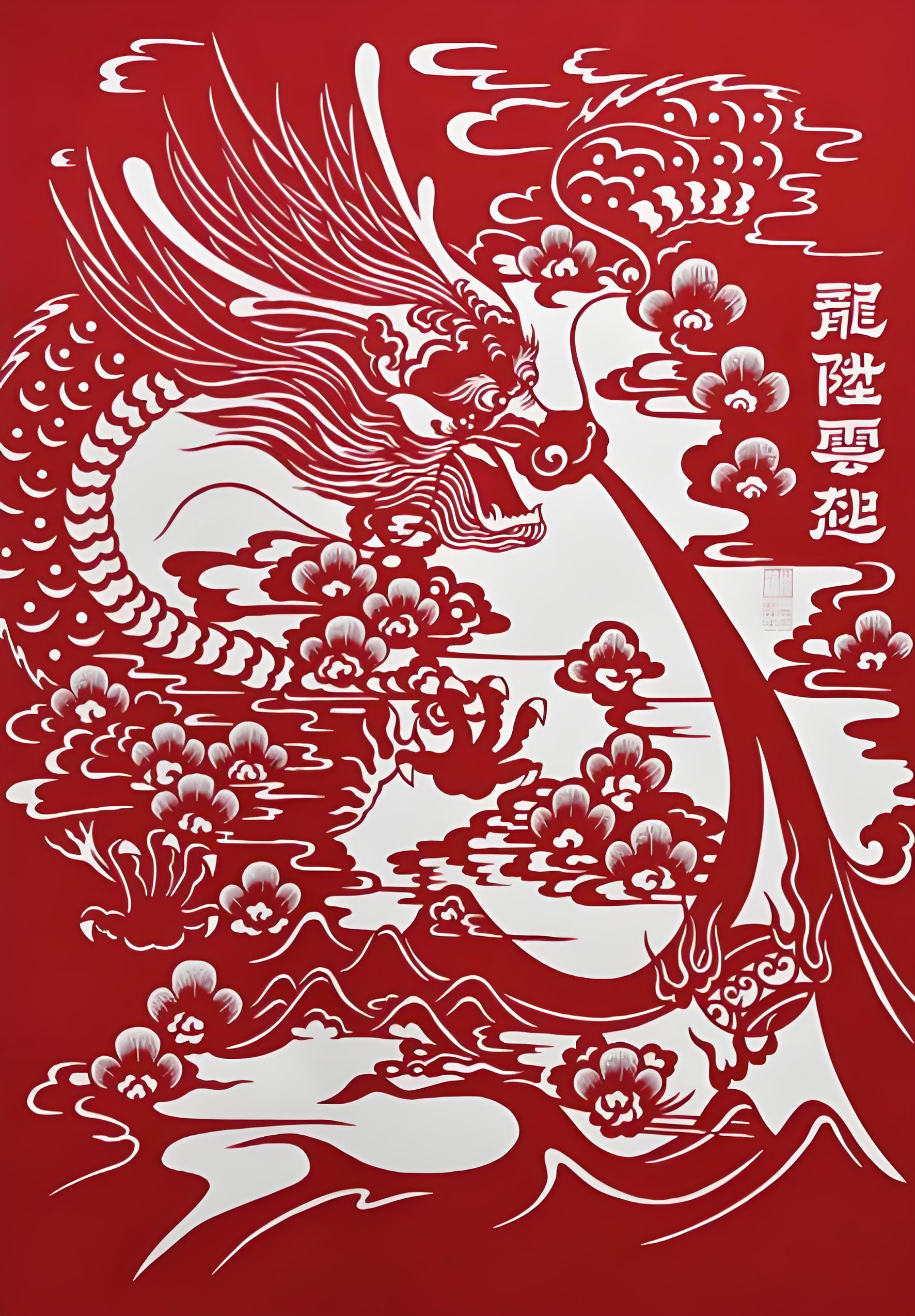
4.Inheritance Through Ages: Revitalize Intangible Heritage to Broaden Its Reach
For thousands of years, Zhangpu paper-cutting has been passed down via family tutoring and master-apprentice mentorship. In modern times, urbanization and diverse entertainment once reduced its audience, prompting local authorities and paper-cut associations to launch systematic protection programs. Free public paper-cut classes are held in primary schools, middle schools and cultural centers to teach teenagers basic row-cut and positive-negative cutting skills. Folk art museums host permanent Zhangpu paper-cut exhibitions to showcase southern paper-cut charm to visitors.
Modern craftsmen break traditional theme limits to expand creation scope, integrating 24 solar terms, overseas hometown returning scenes, urban landscapes and national themes to match contemporary aesthetics. Zhangpu paper-cutting travels worldwide frequently, participating in global intangible heritage exhibitions and Sino-foreign folk art exchanges, serving as a vital medium to share Minnan culture and traditional Chinese aesthetics globally. Meanwhile, paper-cut patterns are adapted into cultural and creative products including bookmarks, canvas bags, tea sets and decorative paintings, integrating heritage craft into daily consumption for living inheritance.
As a world intangible heritage carrying thousand-year Minnan folk life, Zhangpu paper-cutting is far more than red paper and scissors. Delicate row-cuts embody decades of artisan craftsmanship, full patterns hold coastal residents’ gentle wishes for life. Every cut carries oriental aesthetics blended from Central Plains and marine civilizations. Having survived Tang-Song vicissitudes and Ming-Qing prosperity, it still thrives today, telling exclusive Minnan romance and heritage through paper as its medium.