1.Millennial Origins: Folk Art Rooted in Shang-Dynasty Ornaments
Xingan paper-cutting prevails in Xingan County, Ji'an City, Jiangxi Province. It was inscribed on China's third batch of National-level Intangible Cultural Heritage List in 2011. A great number of bronze and jade relics dating back to the Shang Dynasty were unearthed here. The primitive swirling patterns on these antiques form the earliest prototype of local paper-cutting, endowing this folk craft with 3000-year-old cultural DNA.
Different from many court-oriented traditional crafts, Xingan paper-cutting has always belonged to ordinary local people. In old villages, there were no specialized workshops. Skills were passed down within families or shared among neighbours. Skillful rural women made up the main creator group. Only a pair of scissors and several sheets of bright-coloured paper were needed for creation. Many artists worked from memory and life experience rather than detailed sketches to produce vivid patterns.
For centuries, paper-cutting has accompanied local residents through every season. It is not a distant museum antique, but a living folk art deeply woven into daily life. It transforms ancient bronze-age aesthetics into accessible decorations for common households.
2.Distinctive Artistic Language of Xingan Paper-cutting
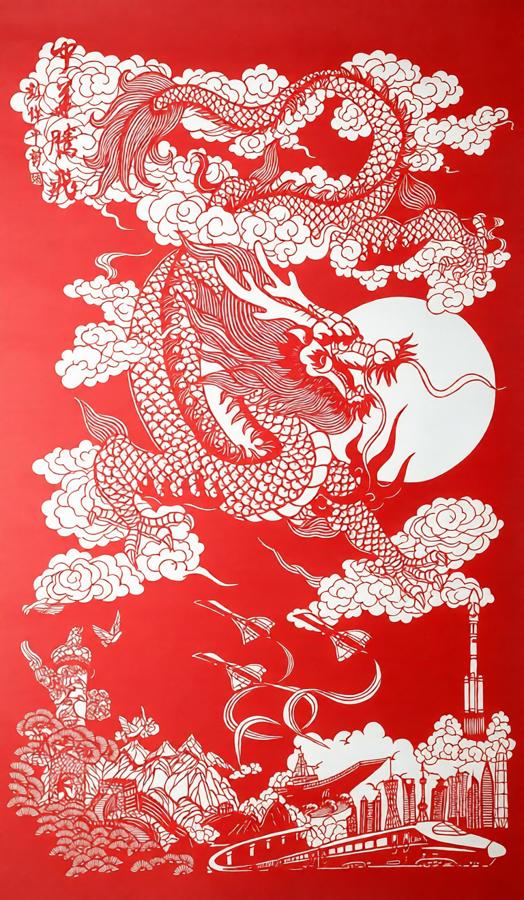
Xingan paper-cutting boasts highly recognizable artistic features. It mainly adopts positive cutting, complemented by negative cutting, and often combines both techniques to create contrast between solid shapes and hollow-out spaces. Positive cutting keeps outline lines and removes redundant background, producing concise, powerful flowing strokes. Negative cutting trims figure outlines and retains coloured background blocks. Mixing both methods brings richer visual layers.
Artists do not copy real-world objects mechanically. They simplify and exaggerate forms, following folk aesthetic principles of completeness, balance and density. Compositions are free and flexible without rigid rules. Subject matters cover a wide range: exotic flowers, domestic fowls and auspicious animals appear frequently; folk legends and historical figures turn into red-paper silhouettes; farming and herding scenes depict local Ganpo countryside life. Modern creators also integrate current social themes into their works.
Bright saturated red and emerald green are favoured colours, delivering strong visual impact. Red stands for joy and good fortune while green symbolizes vitality. Patterns carry hidden blessings: fish represent surplus every year, peonies symbolize prosperity, bats imply happiness, and pomegranates stand for thriving descendants. Every paper-cut piece holds subtle, romantic Chinese wishes encoded in visuals.
3.Folk-life Connection: Red-paper Art for Local Customs
The greatest charm of Xingan paper-cutting lies in its deep integration with local folk customs. Paper-cuts appear in nearly all key life ceremonies, covering both joyous and solemn rituals.
During wedding celebrations, paper-cut ornaments decorate bridal veils, aprons, door curtains and wedding quilts. Patterns of dragon-phoenix union, double-happiness symbol and twin lotus flowers express wishes for happy marriage and flourishing families. At Chinese New Year, families paste paper-cut window decorations and festive hangings on doors and windows. Fortune characters and zodiac patterns create lively holiday atmospheres for a smooth year ahead. When babies are born, paper-cut appliqués decorate children's hats and embroidered shoes, blessing kids with safe growth.
Besides happy events, traditional local funeral rituals also apply paper-cuts for spirit house ornaments and memorial shoe decorations, conveying respect for the departed. For weddings, births or funerals, thin red paper carries ordinary people's imagination toward life.
In old villages, rural women would sit together during festivals. They chatted while manipulating scissors, finishing beautiful patterns quickly. Paper-cutting served not merely as decoration, but also as a medium for social connection and emotional bonding. Skills were passed down amid warm conversations and laughter.
4.Revitalizing Ancient Craft: Modern Inheritance for Global Audiences
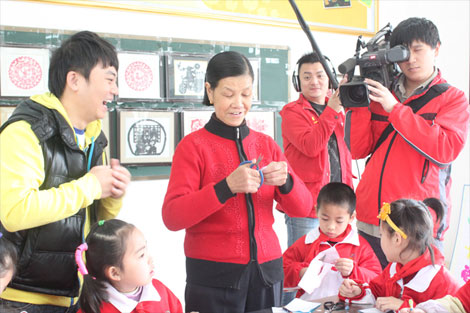
As traditional farming lifestyles fade away, inheritance approaches for Xingan paper-cutting have evolved. While skills once passed privately within families, local workshops and school training bases have been built today. Paper-cut courses enter primary schools and kindergartens so youngsters can experience this ancient heritage firsthand. Representative inheritors host free workshops in communities, villages and tourist spots. More teenagers and hobbyists join this craft beyond rural female creators.
Generations of inheritors preserve core traditional patterns meanwhile exploring creative innovations. They restore Shang-Dynasty bronze decorations and classic folk motifs, and expand creation boundaries to include landscapes, western famous paintings and modern city scenes, breathing new energy into age-old craftsmanship.
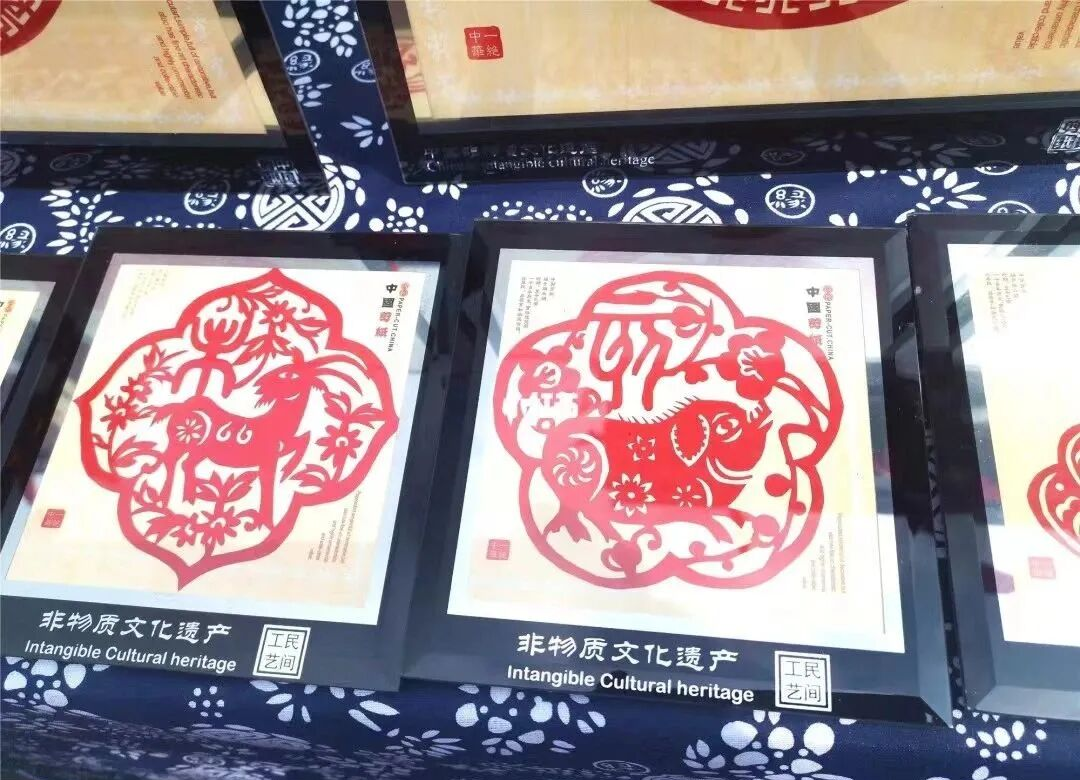
Xingan paper-cutting has travelled far beyond Jiangxi to international events. Exhibitions at Milan Expo, Osaka Expo and other overseas shows introduce distinctive Chinese folk art to global audiences, making it a shining cultural calling card for Jiangxi's international cultural exchanges. Red-paper art transforms into cultural-creative ornaments and gifts, fitting modern home spaces and connecting global admirers of oriental aesthetics.
Challenges remain for heritage protection. Inheritors keep exploring solutions to attract younger generations and strike balance between authentic ancient techniques and creative renewal. With scissors and paper, Xingan paper-cutting continues to write oriental stories rooted in Ganpo land.
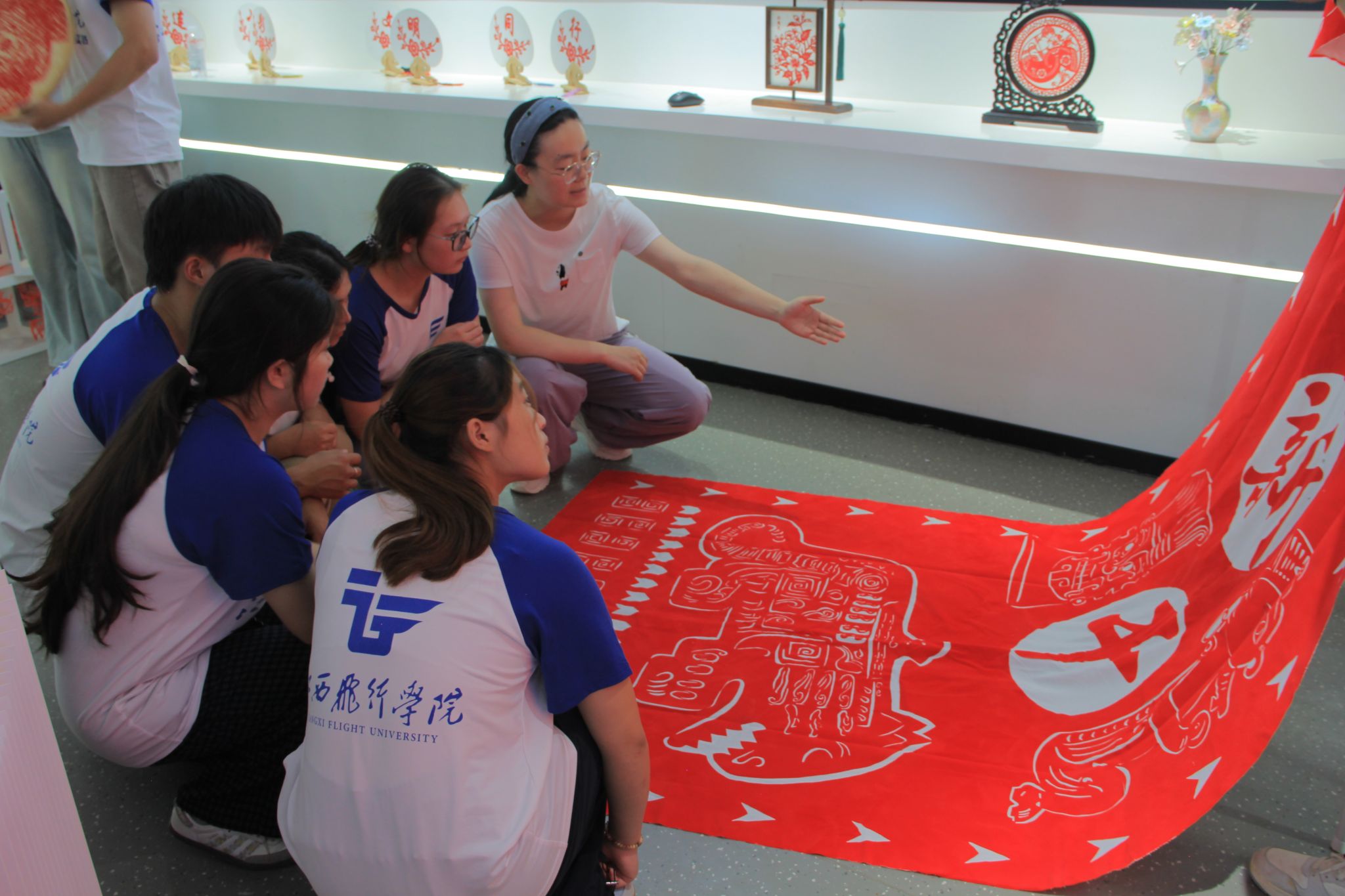
With thin coloured paper and simple scissors, Xingan paper-cutting condenses 3000-year history, local Ganpo customs and people's sincere blessings into small artworks. It echoes Shang-Dynasty decorative traditions and serves as a living folk medium. Travelling from rural window grilles to international exhibition halls, Xingan paper-cutting sustains oriental beauty through inheritance and innovation.