
Deep in the Wuling Mountains of western Hunan, Tahu Village has nurtured this unique folk art. Unlike common scissor paper-cutting, it uses chisels as tools and wax boards as workbenches, carving exquisite patterns on layers of paper, known as "flowers on the tip of a knife". Rooted in local landscapes and customs, this ancient craft has been polished by generations of artisans, serving as both auspicious daily ornaments and a distinctive treasure of Chinese folk art.
1.Origin: The Chiseling Craft in Tahu Village
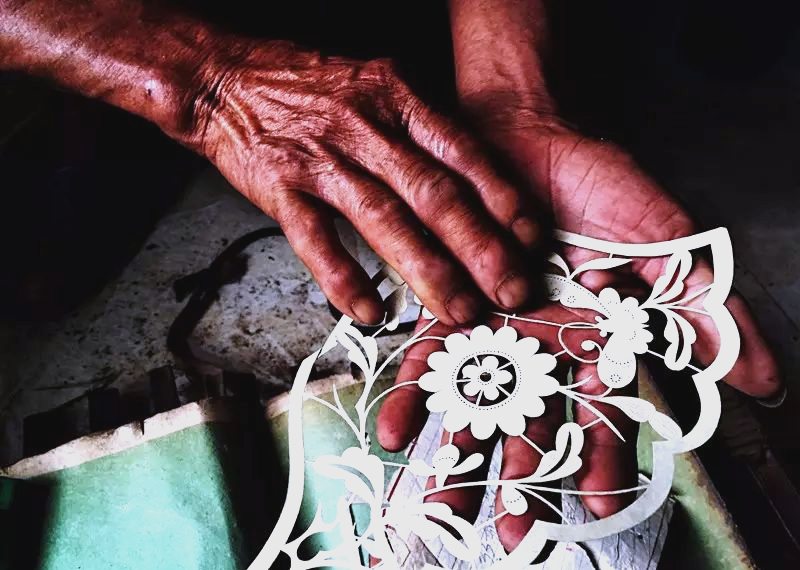
The history of Tahu chisel paper carving dates back to the Ming and Qing dynasties, named after its birthplace Tahu Township. Western Hunan is home to Miao, Tujia and other ethnic groups, whose costumes, rituals and festivals rely heavily on pattern decorations. Unlike traditional scissor paper-cutting, it adopts a chiseling technique: artisans draw a draft, stack dozens of paper sheets, fix them on a beeswax board, and carve with various chisels. The efficiency of producing dozens of pieces at once made it one of the most popular folk crafts in the region, giving birth to generations of professional artisans.
2.Craftsmanship: The Exquisite Skill on the Tip of the Knife
The exquisiteness of Tahu chisel paper carving lies in its rigorous procedures and well-honed techniques, with core highlights as follows:
- Six Core Procedures: A complete production includes six steps: drawing, smoke transferring, paper fixing, chiseling, dyeing and finishing. Drawing requires full composition and smooth lines; smoke transferring copies patterns with smoke for alignment; paper fixing fastens layers with twisted paper strips.
- Dozens of Professional Chisels: The core chiseling step uses round, square, triangular and bevel chisels for different functions. The finest chisel can carve over ten lines within one centimeter. With steady wrists and uniform force, artisans create fine lines and blank spaces, resulting in smooth edges and zero damage to all layers.
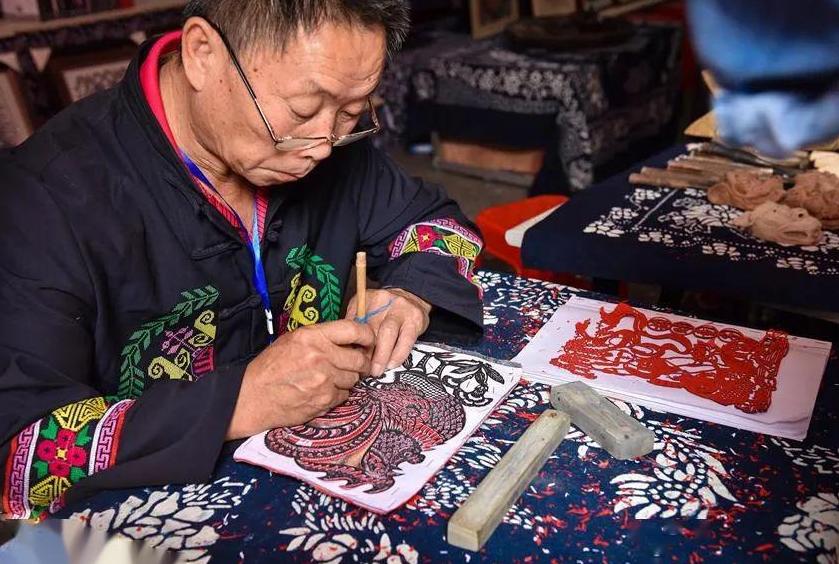
- Vivid Dyeing Technique: Besides traditional white works, artisans use mineral pigments to dye bright red, green and yellow shades for different festivals, adding festive atmosphere and vivid vitality.
3.Patterns: Folk Beliefs Hidden in Paper Flowers
The patterns of Tahu chisel paper carving cover a wide range of themes, serving as an epitome of western Hunan's folk culture, all centered on praying for good fortune:
- Auspicious Animals: Classic Evil-exorcising Themes: Due to the name "Tahu" and folk traditions, tiger patterns are most common, symbolizing home protection and safety. Dragon and phoenix represent nobility for weddings; lion and kylin themes express wishes for family prosperity.
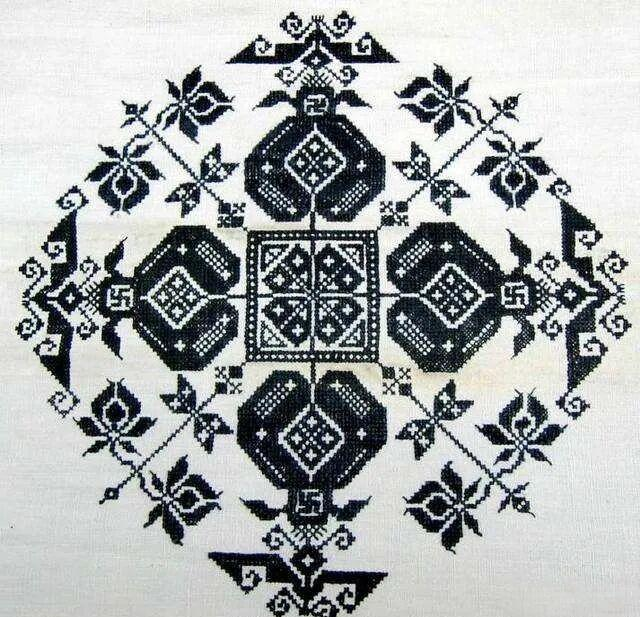
- Flowers & Plants: Embodiment of Natural Charm: Peonies symbolize wealth, lotuses symbolize purity, magpies on plum represent happy events, and interlocking patterns symbolize endless vitality. These patterns integrate Central Plains auspicious culture and local natural charm, forming a unique artistic style.
- Figure Stories: Carriers of Historical Enlightenment: Figure themes like operas, folk life and myths often appear in local homes, conveying history and philosophy through vivid images, serving as silent carriers of folk education.
4.Inheritance: Contemporary Rebirth of the Ancient Craft
In 2008, Tahu chisel paper carving was included in the second batch of the National Intangible Cultural Heritage List, entering the national public eye. Before that, it faced an inheritance crisis: with the impact of modern lifestyles, fewer young people learned the craft. As senior artisans aged, many precious patterns and techniques were on the verge of extinction.
In recent years, driven by protection policies and inheritors' efforts, Tahu chisel paper carving is glowing with new vitality. National-level inheritors bring the craft into campuses and communities. Designers cooperate with artisans to integrate patterns into jewelry, stationery and home decor, bringing traditional art into daily life. Digital communication also breaks geographical limits, making it known and loved by more people at home and abroad.

From a village livelihood craft to a national cultural treasure, Tahu chisel paper carving has gone through hundreds of years. It is never just thin paper flowers, but a concrete embodiment of western Hunan people's spiritual world, and the warmth passed down by generations of artisans. Today, this flower on the knife tip still blooms in the integration of tradition and modernity, telling the cultural roots and craftsmanship legend of western Hunan.