1.Millennium Origins: From Golden Ox Blessing to Folk Art
The prototype of Lingbao Paper-Cutting was born from blessing folk customs more than 2,000 years ago. According to legend, during the Eastern Zhou Dynasty, when Laozi passed through Hangu Pass in Lingbao on a green ox, a plague was raging locally. The bezoar from the ox cured the sick people, who then regarded the green ox as an auspicious savior. Since then, on the 23rd day of the first lunar month every year, every household cuts a "Golden Ox Pattern" from yellow paper and pastes it on the door to ward off epidemics and pray for year-round peace. A folk ballad has been passed down to record this custom, which is the earliest form of Lingbao-Paper Cutting.

By the Han and Tang Dynasties, Lingbao Paper-Cutting gradually expanded beyond sacrificial blessings and became part of daily aesthetics. Folk women cut flower and plant patterns from gold and silver foil or colored paper to decorate hairstyles, clothes and rooms, turning paper cutting from an epidemic-warding symbol into a practical and beautiful life decoration. In the Ming and Qing Dynasties, Lingbao Paper Cutting reached its peak, with greatly expanded application scenarios. From window grilles and ceiling patterns to clothing decorations and festival ornaments, paper cutting penetrated almost every detail of people's lives and became one of the most popular art forms in western Henan folk culture.
2.Rustic & Vigorous: The Unique Art Style Nurtured by the Loess Land
Located on the Loess Plateau at the junction of Henan, Shaanxi and Shanxi provinces, Lingbao has nurtured the bold, simple, straightforward and vigorous artistic temperament of its paper cutting through profound rural culture. In sharp contrast to the exquisite and delicate paper cutting of southern China, it fully demonstrates the grandeur and vitality of northern folk art.

In terms of craftsmanship and categories, Lingbao Paper-Cutting is mainly divided into monochrome and dyed types, mostly made with scissors and supplemented by engraving knives. Monochrome paper cutting, most commonly made of bright red paper, fits the festive atmosphere of northern folk customs and is the mainstream form of window and door decorations. Dyed paper cutting first cuts white drafts and then applies colorful dyes, with rich layers, mostly used for large decorations such as ceiling patterns. In composition, Lingbao Paper-Cutting is not limited to realism. It often conveys charm through full, symmetrical layouts and exaggerated vivid shapes, capturing the lively posture of flowers, birds, figures and animals with a few strokes, fully showing the casual wisdom and rural aesthetics of folk artists.
3.Auspicious Patterns: Wishes for a Better Life Carved by Scissors
Lingbao Paper-Cutting is never just a visual decoration, but a cultural carrier for people to place their wishes. Folk artists skillfully use traditional techniques such as homophony, symbolism and implied meaning to integrate good expectations for life into every pattern, filling every inch of red paper with auspicious connotations.
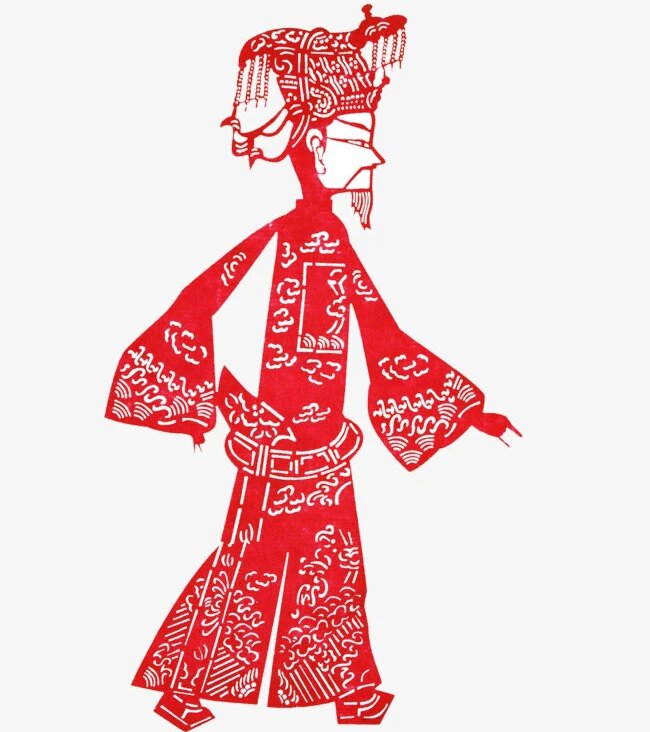
Among common themes, flowers, birds and animals all carry auspicious meanings: magpies on branches symbolize approaching joy; persimmons with ruyi ornaments imply everything goes well; dragon and phoenix patterns and phoenix-and-peony designs are classic wedding motifs, blessing newlyweds with happy marriages and lasting prosperity. Works related to folk beliefs, such as the Golden Ox Pattern and Golden Scissors Suppressing Five Poisons, carry simple wishes to ward off evil and pray for smoothness. These auspicious symbols spanning thousands of years connect the Chinese people's eternal pursuit of peace, prosperity and happiness, making paper cutting a "living fossil" bearing the national cultural psychology.
4.Woven into Daily Life: Paper Cutting in Folk Customs and Festivals
In the rural life of Lingbao, paper cutting is never an art displayed in exhibition halls, but a way of life flowing in daily routines, deeply bound to life milestones and folk rituals such as festivals, weddings and funerals.
During the Spring Festival, every household pastes window grilles and golden ox patterns to decorate homes and pray for a peaceful new year. On the Lantern Festival, paper cutting becomes the soul decoration of lanterns. The figure patterns on revolving lanterns rotate with candlelight, creating a lively festive atmosphere. In wedding ceremonies, paper cutting is even more indispensable: ceiling patterns, corner decorations, double happiness patterns on bedding and ornaments on dowries all convey blessings to the newlyweds. It also plays an important role in funeral sacrifices and temple fairs, with paper-cut decorations themed on historical stories and Confucian filial piety carrying people's remembrance of ancestors and respect for ethical order. It can be said that paper cutting accompanies Lingbao people at every important moment of life from birth to old age.
5.Revival of Intangible Heritage: Inheritance and Future of the Millennium Craft
In 2008, Lingbao Paper-Cutting was officially included in the second batch of the National Intangible Cultural Heritage List, bringing new development opportunities to this thousand-year-old folk craft. From intergenerational inheritance in rural families to intangible heritage courses in campuses and innovative transformation in cultural and creative products, Lingbao Paper-Cutting is entering contemporary life in a new form.

Generations of inheritors uphold the craftsmanship under scissors and continue the cultural roots of the Loess Plateau. Meanwhile, young creators inject modern vitality into the ancient art, combining traditional patterns with cultural and creative design and digital media, allowing this rural art to go beyond Hangu Pass and reach a broader stage. It is not only a microcosm of western Henan folk culture, but also a bright pearl in the treasure house of Chinese folk art. It has always carried the simplest and most sincere life ideals of the Chinese people through thousands of years, and continues to bloom with vivid cultural vitality in the new era.
For thousands of years, Lingbao Paper-Cutting has created an endless cultural scroll on the Loess Plateau, using red paper as the canvas and scissors as the brush. Evolving from a blessing folk symbol to daily decoration for ordinary families, it embodies the Chinese people’s yearning for a better life and engraves the profound cultural genes of rural China.