In the dense life atmosphere of the Jiangnan water town, Jintan Paper-Cutting takes a knife and a piece of paper as the medium, condensing the millennial folk custom and Jiangnan aesthetic in a small space. Born from the folk, this handcraft art has been inherited for generations, growing from folk paper notes for exorcising evil spirits and praying for blessings into a national intangible cultural heritage, and becoming a bright name card of Jiangnan culture and even Chinese folk art. Its beauty lies in the delicate lines, the rich folk customs, and more in the Chinese people's beautiful expectations for life.
A Thousand Years of Tracing the Origin: The Paper-cutting Cultural Heritage Nurtured by the Water and Soil of Jiangnan
Jintan is one of the earliest areas in China where Paper-Cutting was popular. The origin of its Paper-Cutting art can be traced back to a thousand years ago, deeply rooted in the folk custom soil of the Jiangnan water town, and slowly precipitating a unique cultural heritage in time.
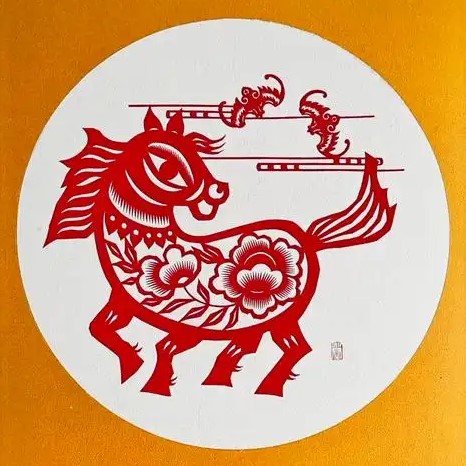
- In the Sui and Tang Dynasties, simple Paper-Cutting patterns such as double happiness, door flowers, lantern flowers and shoe flowers had been scattered among the people, becoming simple ornaments for people to decorate their lives. The embryonic form of Paper-Cutting thus appeared, opening the way for the folk inheritance of this art.
- The Ming and Qing Dynasties were the development period of Jintan Paper-Cutting. To exorcise evil spirits and pray for blessings, every family would paste red door notes, happy notes and flower notes during festivals. Such hollow paper notes became the typical embryonic form of Jintan Paper-Cutting, and Paper-Cutting patterns also extended to the decoration of folk artifacts such as lanterns and paper figurines.
- In the late Qing Dynasty and the early Republic of China, Jintan Paper-Cutting ushered in its peak of folk development. Not only did the patterns expand to rich themes such as flowers, birds, insects, fish, the Eight Immortals and birthday stars, but also two inheritance channels of "homemade and self-entertainment" and "workshop mass production" were formed. Dozens of Paper-Cutting workshops rose in urban and rural areas, making this art an indispensable cultural symbol of Jiangnan folk.
Craftsmanship: The ingenious ideas of Jiangnan with every cut and every piece of paper
Derived from Paper-Cutting, Jintan Paper-Cutting has formed a unique Jiangnan characteristic in technology. It abandons the simple cutting of Paper-Cutting, takes a carving knife as a pen, and integrates the delicacy and exquisiteness of Jiangnan into every line, achieving the technological essence of "unbroken after thousands of cuts and smooth lines".
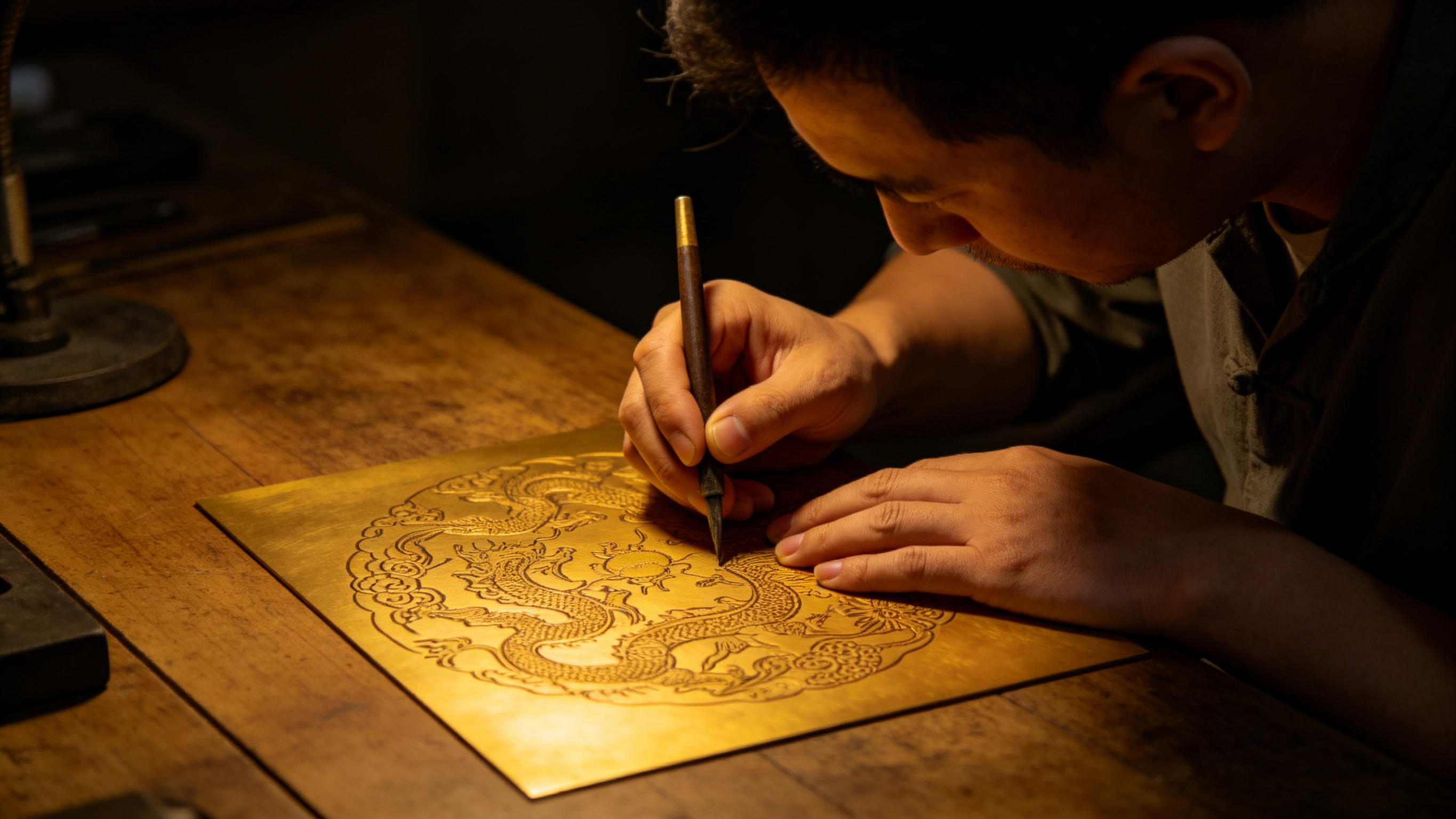
- Ingenuity in material selection and tools: Jintan Paper-Cutting mostly uses light and flexible rice paper and bright red paper, with various carving knives as the main tools, matched with a special carving board boiled from burnt incense ash and sheep oil. This carving board is neither as hard as glass and easy to break paper, nor will it melt in summer, which perfectly adapts to the fine carving needs and is the wisdom of Jiangnan craftsmen groped in practice.
- The essence of carving techniques: Jintan Paper-Cutting integrates various techniques such as intaglio, relief and hollowing out, paying attention to the symmetry and delicacy of lines and the fullness and completeness of composition. It can not only carve small and exquisite palm works such as shoe flowers and window flowers, but also complete large-scale works several meters long. The expressions of characters and auspicious animals in the works can be vividly displayed through the frustration and density of lines.
- Inheritance and improvement of technology: From the initial carving on glass and wax plates to the birth of special carving plates, and then to the integration of modern techniques such as color blocking and dot dyeing, the technology of Jintan Paper-Cutting has been continuously improved in inheritance, which not only retains the simplicity of folk art, but also integrates modern aesthetics, making the expressive force of Paper-Cutting works more and more rich.
The meaning of the pattern: The folk wishes of Jiangnan hidden in the paper
The patterns of Jintan Paper-Cutting are a microcosm of Jiangnan folk customs. Each pattern bears the people's beautiful expectations for life. The themes range from natural scenery to folk allusions, from auspicious animals and birds to life scenes, encompassing everything, and bringing the folk aesthetic of "every picture has a meaning, and every meaning must be auspicious" to the extreme.
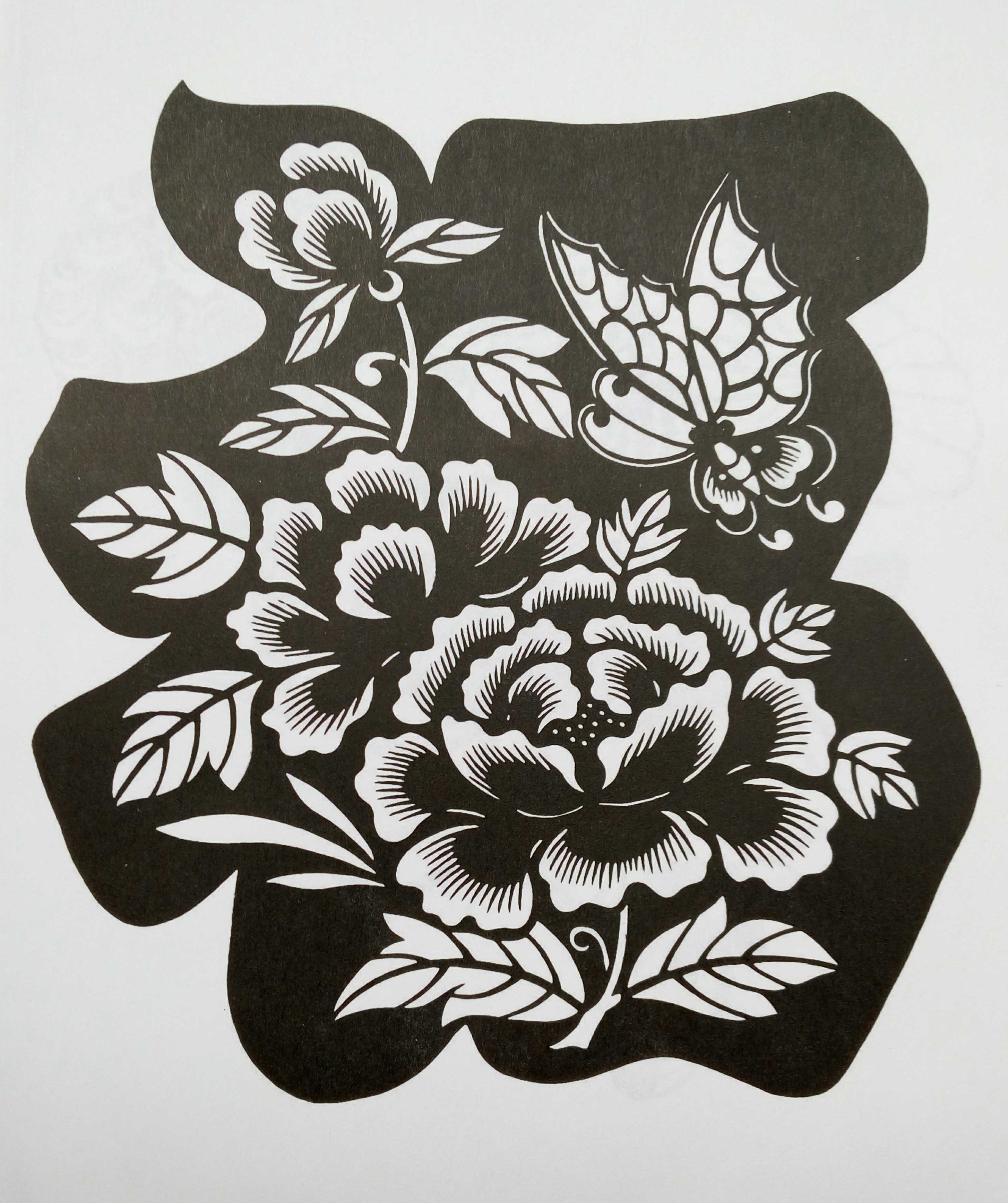
- Natural scenery patterns: Flower patterns such as peony, lotus, plum, orchid, bamboo and chrysanthemum, and animal and bird patterns such as koi, magpie and red-crowned crane are classic themes of Jintan Paper-Cutting. Peony symbolizes wealth and auspiciousness, koi implies more than enough every year, and magpie represents the coming of happy events. Every kind of scenery is endowed with beautiful folk connotations, becoming the beautiful wishes of Jiangnan people for life.
- Folk allusion patterns: Mythical figure patterns such as the Eight Immortals, birthday stars and Zhong Kui, and folk allusion patterns such as the Magpie Bridge Meeting and Butterfly Lovers carry the spiritual pursuit of Jiangnan people. Zhong Kui patterns exorcise evil spirits and avoid misfortune, the Eight Immortals and birthday star patterns pray for blessings and longevity, and allusion patterns condense folk stories on paper, allowing culture to be passed down from generation to generation in Paper-Cutting.
- Life scene and auspicious symbols: Auspicious symbols such as double happiness, the character "Fu" and meander pattern, as well as life scene patterns such as harvest, marriage and reunion, are close to people's daily life and become important decorations for folk activities such as festivals, weddings and sacrifices. The bright red Paper-Cutting is pasted on lintels, window sills and artifacts, adding joy and warmth to the folk life of Jiangnan.
Living Inheritance: From Folk Life to the World Stage
After thousands of years of inheritance, Jintan Paper-Cutting has long gone beyond the scope of folk decoration. It was included in the Jiangsu Provincial Intangible Cultural Heritage List in 2007 and became a national intangible cultural heritage in 2008. In 1993, Jintan was named the "Hometown of Chinese Folk Art (Paper-Cutting)" by the Ministry of Culture. Today's Jintan Paper-Cutting keeps innovating while adhering to the tradition, stepping from Jiangnan folk to the world, and making the charm of Chinese folk art seen by more people.
- Cultural exchanges going abroad: Jintan Paper-Cutting works have been exhibited in Norway, Finland, Japan, the United States, the Netherlands and other countries for many times, and the live Paper-Cutting performances have won high praise from overseas audiences. It was commented by foreign media as "various postures are worthy of praise, all from the skilled hands of Jintan", becoming an important carrier of Sino-foreign cultural exchanges, and letting Jiangnan culture go to the world through a knife and a piece of paper.
- Living inheritance of modern innovation: Jintan Paper-Cutting integrates modern aesthetics in inheritance, not only creating theme works close to the times, but also cross-border integration with cultural and creative industries, tourism and technology, creating cultural and creative products such as Paper-Cutting bookmarks, folding fans and LED lights, and integrating Paper-Cutting patterns into fashion and game design, letting this ancient art enter the life of modern people.
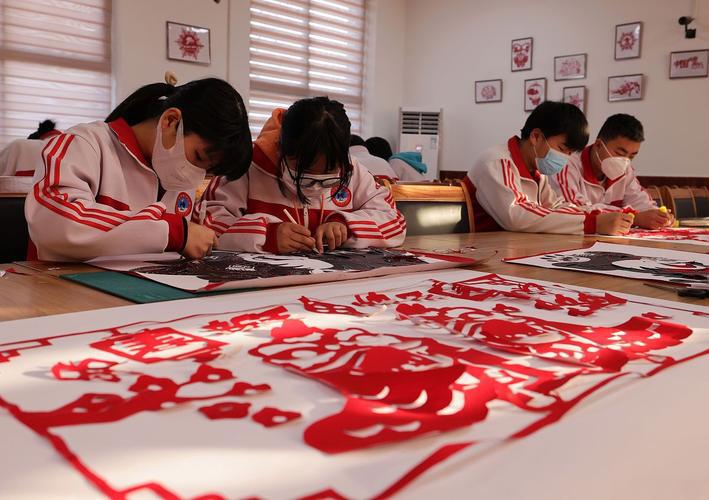
- National participation in the popularization of intangible cultural heritage: Jintan actively promotes "intangible cultural heritage entering campuses and scenic spots", sets up Paper-Cutting courses in primary and secondary schools, builds Paper-Cutting theme museums and experience areas in scenic spots, allowing tourists and citizens to experience Paper-Cutting skills by themselves, and integrates Paper-Cutting art into daily life through intangible cultural heritage markets and festival performances, making more people become appreciators and inheritors of this intangible cultural heritage.
Jintan Paper-Cutting is a poem written by the Jiangnan water town to time. Every cut carves the heritage of millennial folk customs and depicts the life of Jiangnan people. It comes from folk life, precipitates in the years, and is reborn in innovation. With the most simple paper and knife, it bears the Chinese people's yearning for a better life, and also becomes a model for the living inheritance of Chinese folk art. Today, this ancient art is still blooming in the land of Jiangnan and shining on the world stage, letting more people see the unique charm of Chinese folk art and feel the profound heritage of Jiangnan culture.