1.Origins: Folk Art Forged by Cross-Regional Immigration
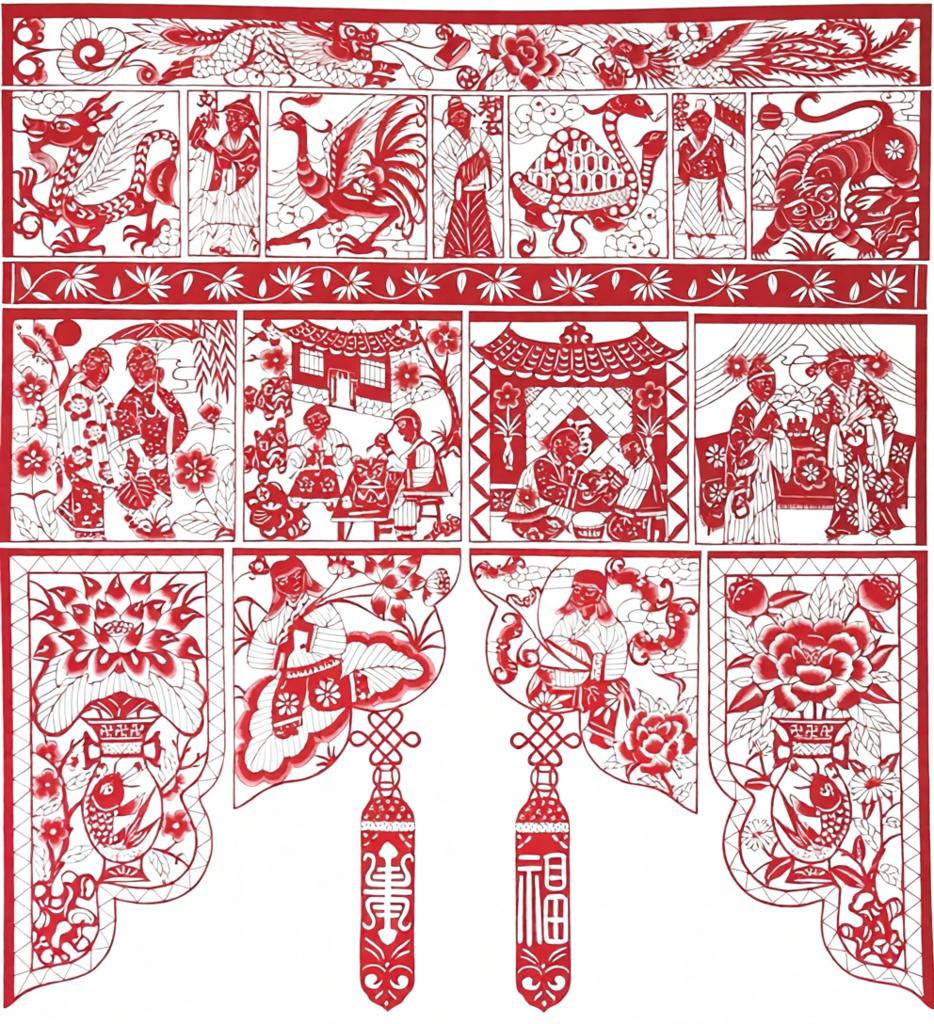
The cultural roots of Gaomi Paper-Cutting date back to the Hongwu Period of the Ming Dynasty. Large-scale immigration waves brought diverse paper-cut techniques from Shanxi, Hebei, and regions south of the Yangtze River to Jiaodong Peninsula. Blending cross-regional artistic aesthetics, these crafts gradually evolved into a distinctive local paper-cut style. Before the immigration, simple hollow-out patterns were already used for household decoration, yet the influx of multi-regional craftsmanship broke monotonous local styles, absorbing the bold momentum of northern paper-cut and the exquisite delicacy of Jiangnan works to form its signature charm: rugged outlines paired with intricate tiny details.
The Qing Dynasty marked the golden age of Gaomi Paper-Cutting, as the craft permeated every corner of ordinary folk life. Artisans created window decorations for Lunar New Year, wedding double-happiness cutouts, embroidery templates and ritual patterns. Without printed guidebooks, skills were passed down orally through "smoked stencils": craftsmen copied finished cutouts onto paper via smoke transfer, then taught folding and hollow carving by hand. This primitive inheritance preserved authentic rural creativity, free from rigid artistic formulas, infusing every piece with raw, genuine rural vitality.
2.Artistic Charm: Unique Cutting Techniques & Aesthetic Language
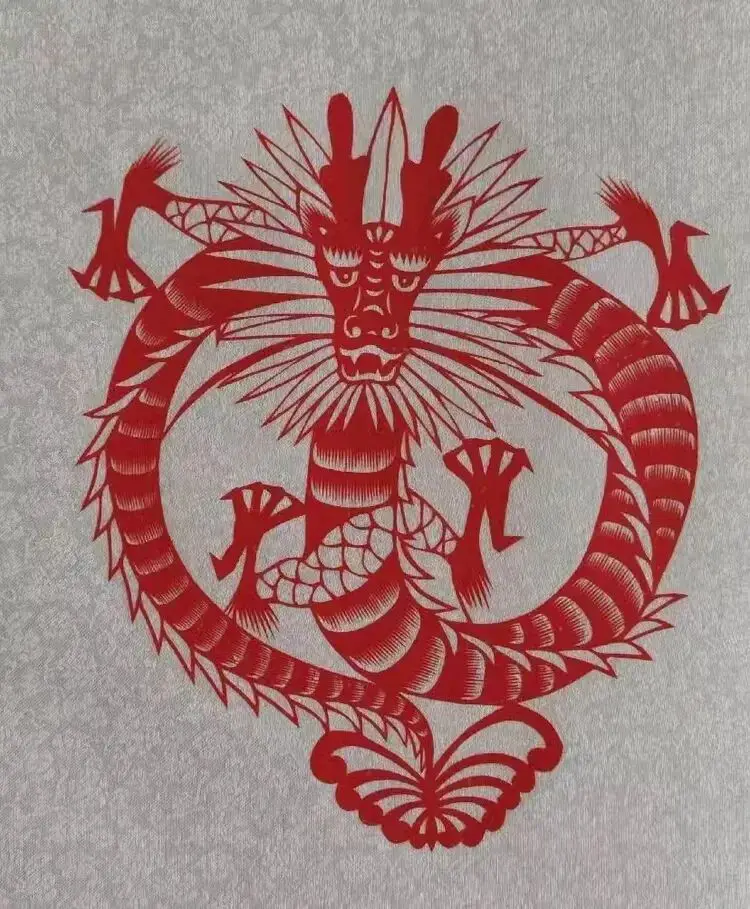
Distinct from other Chinese paper-cut styles, Gaomi Paper-Cutting stands out with a strong stone-carving texture. Its lines are stiff and powerful, abandoning soft, delicate curves yet hiding elaborate details within bold outlines, mainly shaped by integrated positive and negative cutting techniques. Positive cutting retains the subject’s outline and removes blank background, creating continuous, translucent lines; negative cutting carves away the main pattern, letting the base paper contrast the hollow image with striking block-and-line balance. Most artworks combine both methods, forming layered black-white-grey visuals with strong visual impact.
Serrated patterns serve as Gaomi’s signature decorative vocabulary. Irregular jagged lines adorn flower petals, animal fur, facial features and clothing folds, building fluffy, vivid textures without color painting—three-dimensionality is solely shaped by hollow lines. Its composition follows traditional Chinese freehand aesthetic: exaggerated yet realistic forms. Overlapping peony petals amplify the aura of prosperity; plump auspicious beasts embody good fortune; rural human figures simplify facial features to focus on expressive gestures, echoing Chinese freehand brush paintings that tell vivid stories with minimal strokes.
3.Symbolic Motifs: Folk Blessings Encapsulated in Red Paper
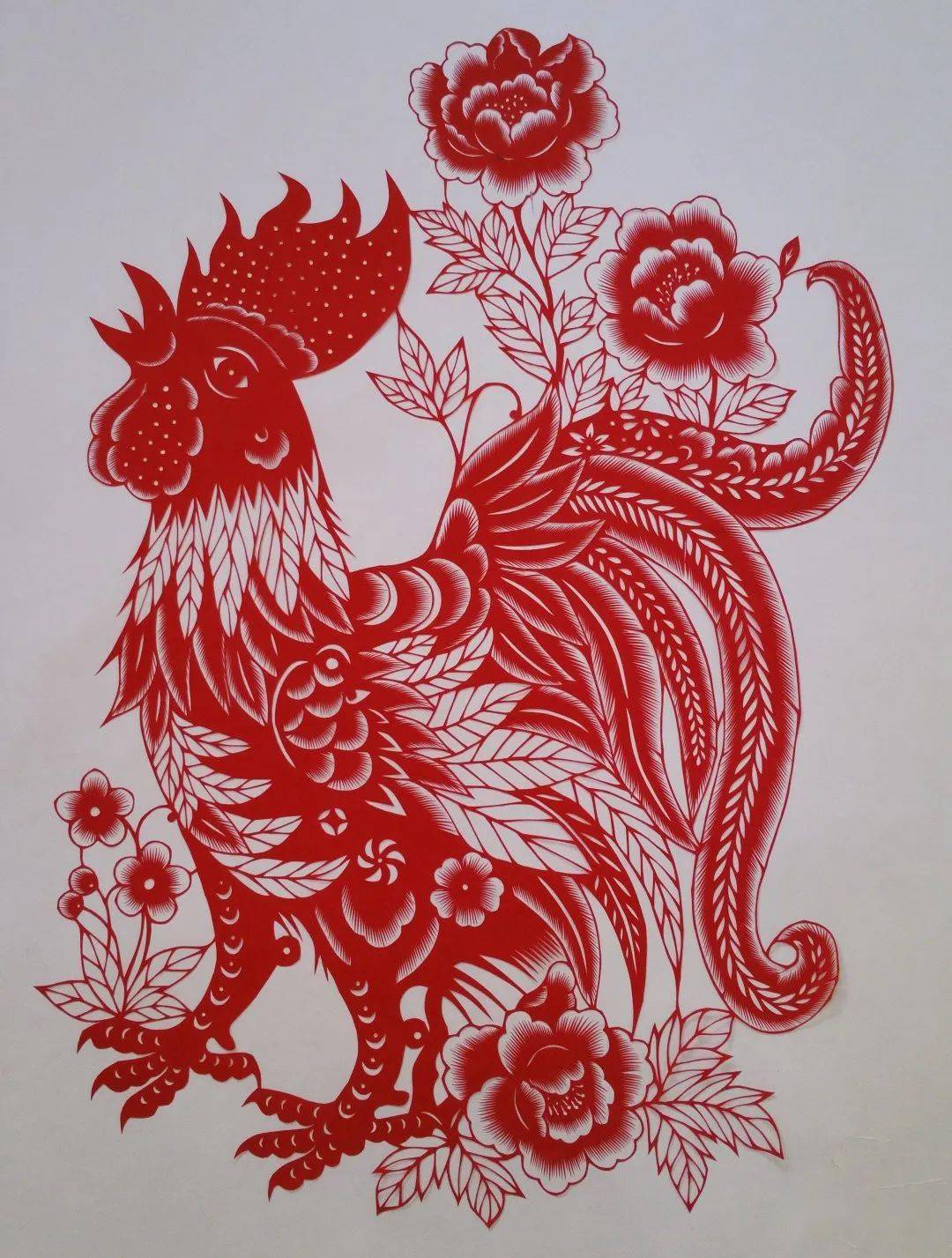
Every motif of Gaomi Paper-Cutting carries tangible auspicious meanings, acting as silent carriers of folk blessings. Its themes fall into four main categories, with peony patterns appearing across all folk rituals, echoing the flower’s cultural symbolism of prosperity and dignity.
The first category covers flowers, birds and auspicious beasts. The peony acts as the core symbol: full layered blooms stand for flourishing family wealth. Paired with carps, it forms the motif "Wealth Surplus Every Year"; bats and peaches symbolize longevity and fortune; magpies with persimmons represent continuous happy events; lotus and fish embody wishes for lasting abundance. Wedding pastry cutouts often feature peonies and pomegranates: peonies symbolize sons, multi-seed pomegranates represent numerous descendants, and lotuses stand for daughters, together blessing couples with complete families and happy marriages.
The second category focuses on life rituals, covering every major milestone of human life: tiger-head and lotus cutouts protect newborns; wedding decorations feature double happiness, bridal sedan chairs and the classic "Mice Wedding" paper-cut to celebrate marital joy; peach and crane patterns grace birthday feasts for longevity; Lunar New Year window and door cutouts filled with peonies pray for thriving families and peaceful communities.
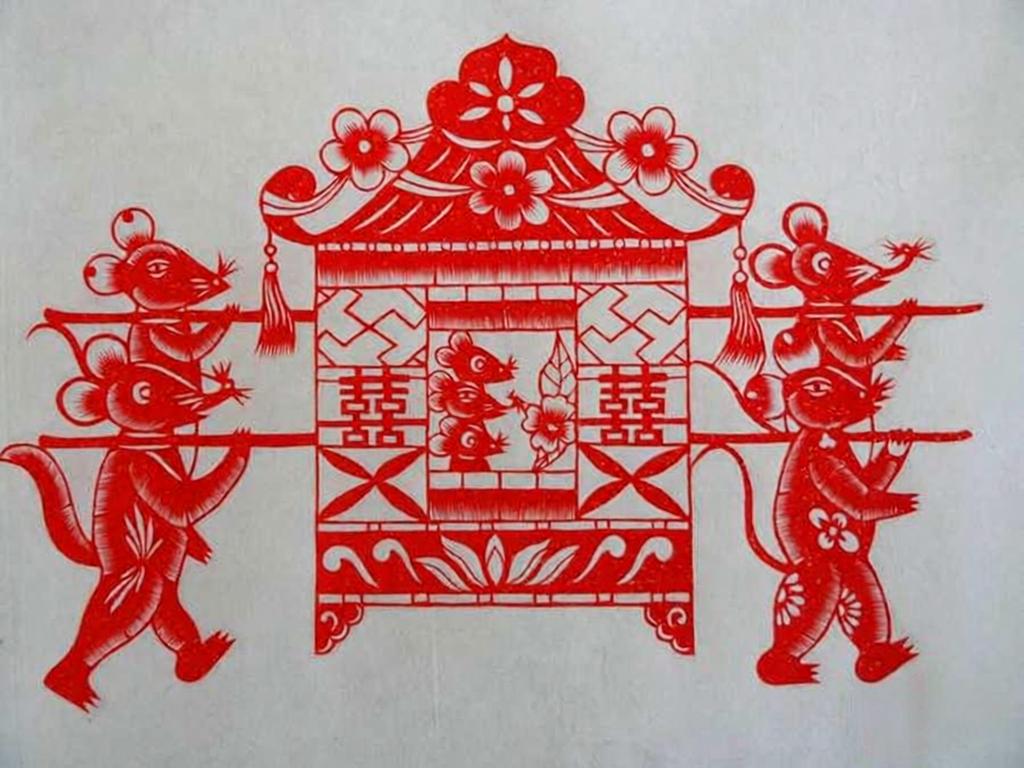
The third category depicts rural daily life, recording farming-era scenes: cowherds, market trips, kite-flying and hand weaving, capturing the warm vitality of Jiaodong countryside and reflecting rural people’s contented, peaceful mindset. The fourth category draws from myths and traditional operas, condensing legendary stories onto small red paper sheets for both moral education and aesthetic enjoyment.
All works use red rice paper, a color symbolizing joy and good fortune in Chinese culture, while hollow blank spaces represent smooth, unobstructed lives. The contrast between red paper and empty cutouts encapsulates Chinese people’s lifelong wishes for wealth, safety and completeness.
4.Heritage & Modern Revival: Intangible Craft Meets Contemporary Life
Gaomi Paper-Cutting was inscribed on China’s National Intangible Cultural Heritage List in 2008, and became part of UNESCO’s Intangible Cultural Heritage of Humanity under Chinese paper-cut in 2009, earning global recognition as a representative folk art form. This craft has never faded over centuries, now breaking free from its traditional role as window and wedding decorations to embrace modern creative forms.
In cultural tourism, Gaomi Paper-Cutting has launched cultural and creative products including heritage blind boxes, framed ornaments, silk embroidery patterns and jewelry, integrating classic peony and auspicious beast motifs into trendy consumer goods. Large scroll paper-cut works depicting modern cities and social progress are exhibited in galleries, using ancient carving skills to narrate contemporary stories. Schools offer hands-on paper-cut workshops, teaching young generations basic cutting techniques and the folk culture behind hollow-out art.
For international cultural exchange, Gaomi Paper-Cutting has been showcased worldwide, with red peony cutouts serving as an oriental aesthetic ambassador, conveying Chinese people’s gentle pursuit of prosperity and harmony. While creative carriers and application scenarios evolve constantly, the core spirit of this craft remains unchanged: a pair of scissors and a sheet of red paper carry ordinary people’s sincere, warm wishes. Rooted deeply in rural life, this timeless paper art continues to thrive and bloom.