In the landscape of Chinese paper-cutting art, Baotou paper-cutting stands out as a school with strong northern regional identity. Located in the Hetao Plain of Inner Mongolia, Baotou has long been a hub where nomadic and farming civilizations intersect. During the Ming and Qing dynasties, the "Zou Xikou" migration wave brought Central China’s paper-cutting craftsmanship to this grassland frontier. Having deeply merged with local nomadic culture, it eventually gave birth to the unique Baotou paper-cutting style — both vigorous and delicate. It is more than a folk handicraft; it is a living heritage engraved with regional cultural memories, woven into local festivals, life rituals and daily life over thousands of years.
1.Unique Artistic Style Born from Regional Integration
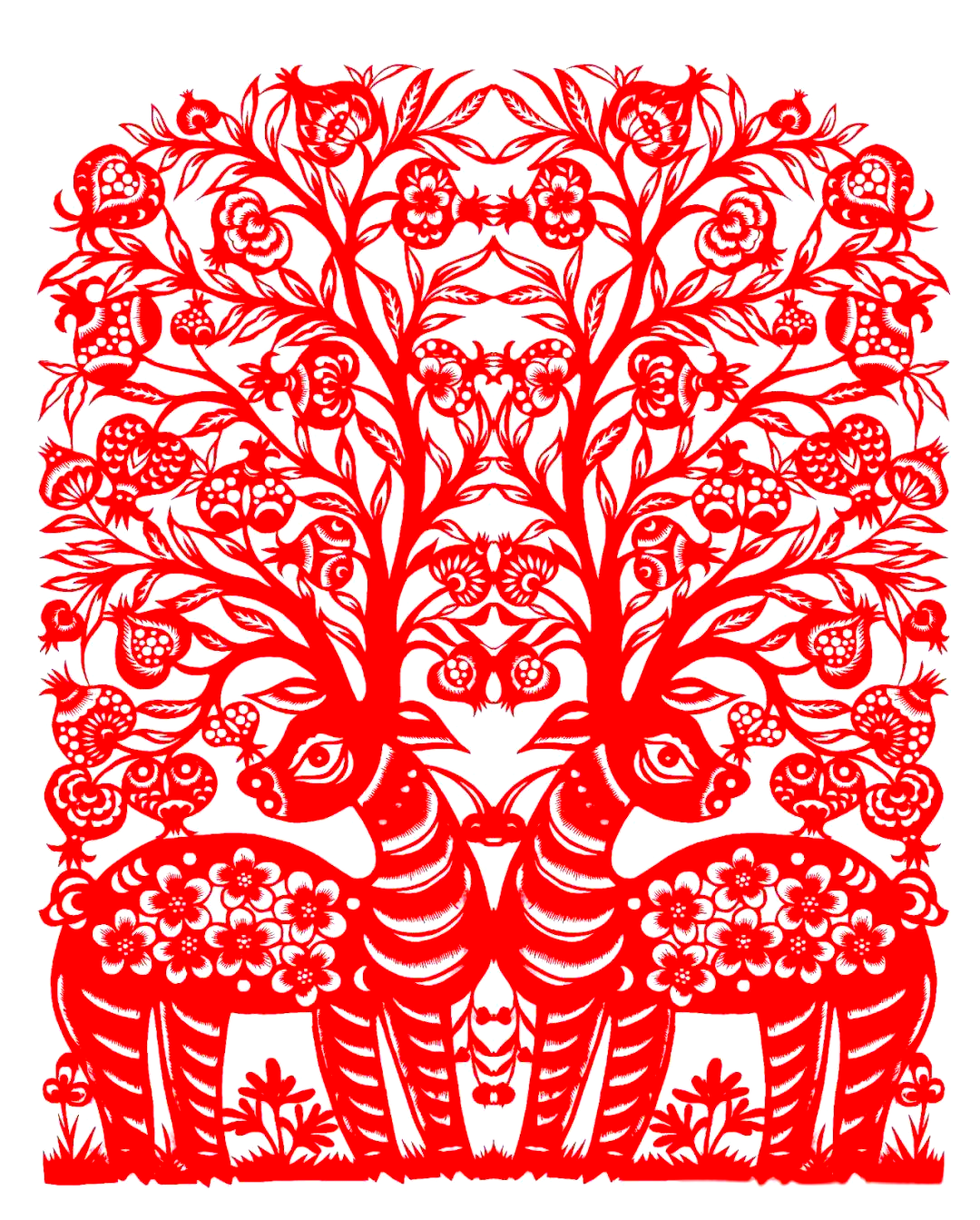
- A visual language of both firmness and softness: Baotou paper-cutting inherits the composition logic and auspicious pattern system of Central Chinese paper-cutting, while infusing the bold spirit of grassland culture. Its lines are concise and smooth, executed with firm and powerful cutting skills. It often combines intaglio and relief cutting techniques, where large solid blocks contrast with delicate lines, creating a sense of both solidity and agility. Unlike the exquisite and intricate paper-cutting of southern China, Baotou paper-cutting features exaggerated, simplified shapes and a rustic, grand style, fully reflecting the forthright character of northern ethnic groups.
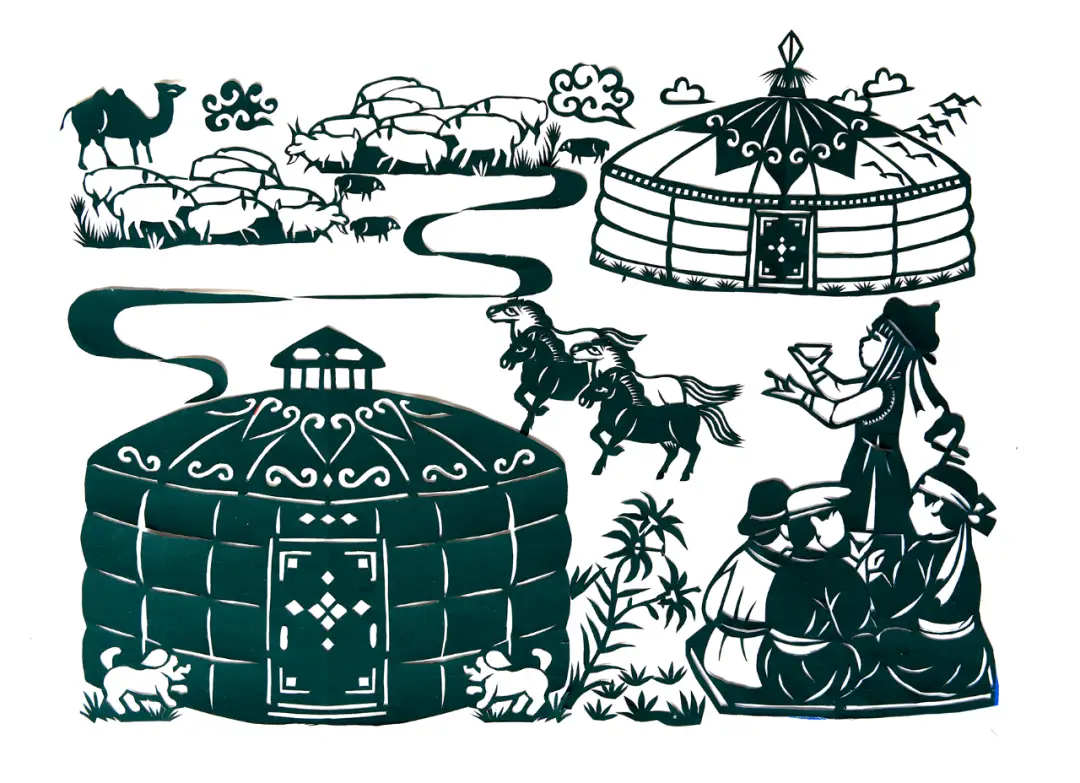
- Diverse coexisting pattern genes: The pattern system of Baotou paper-cutting is a direct testimony to cultural integration. It includes traditional auspicious motifs introduced from Central China — peonies, lotus flowers, dragons, phoenixes and the Chinese zodiac — as well as distinctive grassland elements such as horses, sheep flocks, yurts, saddles and Bökh wrestlers. It even incorporates the Eight Treasures patterns from Tibetan Buddhism, forming a unique landscape of coexisting multicultural elements.
2.Cultural Connotations Rooted in Folk Life
- Auspicious carrier of seasonal festivals: In Baotou, paper-cutting is an indispensable part of festival customs. During the Spring Festival, every family pastes bright red paper-cuts on window panes, kang walls and door lintels. Most works feature auspicious themes such as "surplus year after year", "Fu character medallions" and "zodiac blessings", which not only adorn the home but also convey wishes for bidding farewell to the old and welcoming the new, as well as praying for good fortune. During traditional festivals like the Lantern Festival and Double Ninth Festival, paper-cuts also decorate lanterns and gifts to enhance the festive atmosphere.
- Emotional sustenance for life rituals: Paper-cutting runs through the important life milestones of Baotou people. In wedding ceremonies, "happiness paper-cuts" with themes like dragon-phoenix harmony and blooming peonies for prosperity are pasted on dowries and throughout the bridal chamber, wishing the couple a happy and prosperous marriage. For elderly birthdays, paper-cuts with longevity peach and pine-crane patterns add auspicious meaning to the celebration. In traditional funeral customs, paper-cuts also decorate paper offerings, bearing people’s remembrance and respect for the deceased.
- Artistic reproduction of production and daily life: The themes of Baotou paper-cutting are deeply rooted in local productive practices. Herders cut scenes of grassland life — grazing, milking, the Naadam Festival — into their works, while farmers capture farming and harvest scenes on red paper. These lively, down-to-earth works truly record the farming-pastoral lifestyle of the Hetao region, serving as a "living fossil" reflecting local social life and cultural changes.
3.Contemporary Revival of the Intangible Heritage
- Persistence and continuation of intergenerational inheritance: In 2008, Baotou paper-cutting was inscribed on the National Intangible Cultural Heritage Representative List of China, entering a new stage of systematic protection and inheritance. Generations of inheritors have upheld traditional craftsmanship, passing on the cultural roots of paper-cutting through family and master-apprentice inheritance. In recent years, local authorities have vigorously promoted paper-cutting in schools and communities, offering public welfare courses and experience workshops, allowing more teenagers to learn about and fall in love with this ancient art, and injecting continuous fresh vitality into the inheritance of intangible heritage.
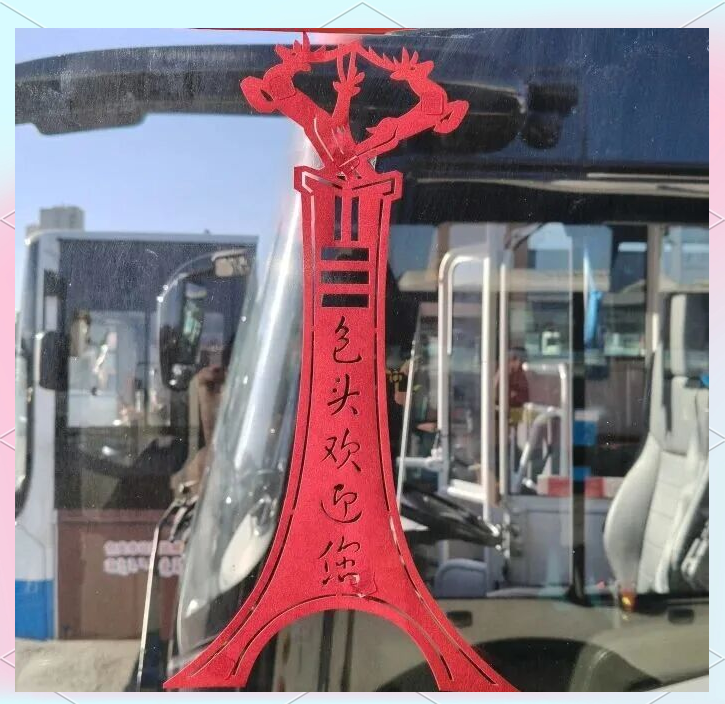
- Contemporary expression through integration and innovation: In the new era, Baotou paper-cutting is no longer limited to the practical forms of traditional window decorations and wedding ornaments; it is deeply integrating with modern design. Creators incorporate paper-cutting elements into diverse fields such as cultural and creative products, home decor and digital media, developing derivatives like paper-cut themed scarves, tea sets and IP images, bringing the ancient craft into contemporary daily life. Meanwhile, many creators combine contemporary themes, launching new paper-cutting works reflecting rural revitalization, ethnic unity and ecological protection, allowing traditional art to respond to current topics and glow with new vitality.
- A cultural card going global: As one of the representative schools of northern Chinese paper-cutting, Baotou paper-cutting has been presented abroad many times, participating in international cultural exchange exhibitions and intangible heritage promotion events. Its unique grassland cultural temperament and oriental aesthetic charm have won the love and recognition of overseas audiences, becoming an important cultural card to showcase the charm of Chinese intangible heritage, tell Inner Mongolia stories and spread Chinese culture to the world.
For thousands of years, Baotou paper-cutting has grown amid the cultural interaction between grassland and Central China, and taken root in the deep soil of folk life. It records the historical changes of this land and bears the spiritual aspirations and good wishes of people of all ethnic groups. Today, this finger-tip intangible heritage is embracing the contemporary era with an open and inclusive attitude. While adhering to the root of traditional craftsmanship, it continues to derive new forms, blooming with unique cultural luster in the context of the new era.