1.Thousands of Years of Origins: The Long Historical Context of Yantai Paper-Cutting
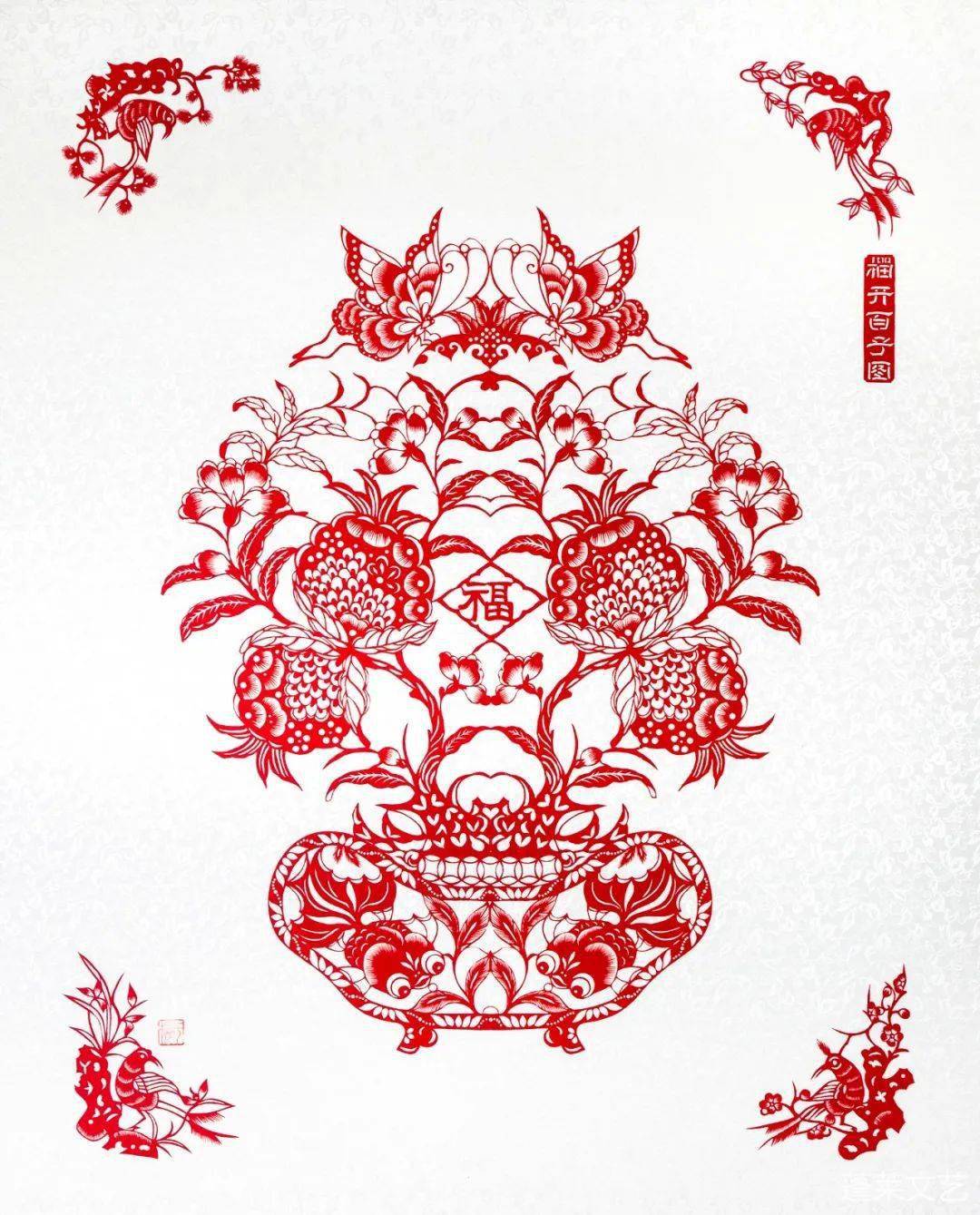
As a representative branch of northern Chinese Paper-Cutting, Yantai Paper-Cutting boasts a complete historical development spanning Han, Tang, Song, Ming and Qing dynasties, serving as a living carrier of Jiaodong regional folk culture. Back in Han and Tang dynasties, local people cut colorful silk and gold foil into flower and bird patterns as hair ornaments, forming the earliest prototype of Paper-Cutting. In the prosperous Song Dynasty, paper became affordable, and window cuttings, door banners and lamp decorations prevailed across towns and villages. Surviving Ming Dynasty Paper-Cutting works featuring Taoism and military training prove the craft had reached maturity and diversity by then. Local Qing Dynasty records noted residents pasted Paper-Cutting on lanterns and hung colored paper above door frames, embedding the craft into daily life.
In 2008, Yantai Paper-Cutting was inscribed on China’s National Intangible Cultural Heritage List, later included in UNESCO’s Representative List of the Intangible Cultural Heritage of Humanity as part of Chinese Paper-Cutting. After Yantai opened its port in modern times, eastern and western aesthetics blended, enriching cutting patterns. China’s first Paper-Cutting research institute was founded here, standardizing the recording and promotion of this folk craft.

2.Diverse Regional Charms: Distinct Local Art Styles of Yantai Paper-Cutting
Districts under Yantai have developed distinctive Paper-Cutting styles, creating a diverse artistic landscape split into three major schools with distinct techniques and aesthetics.
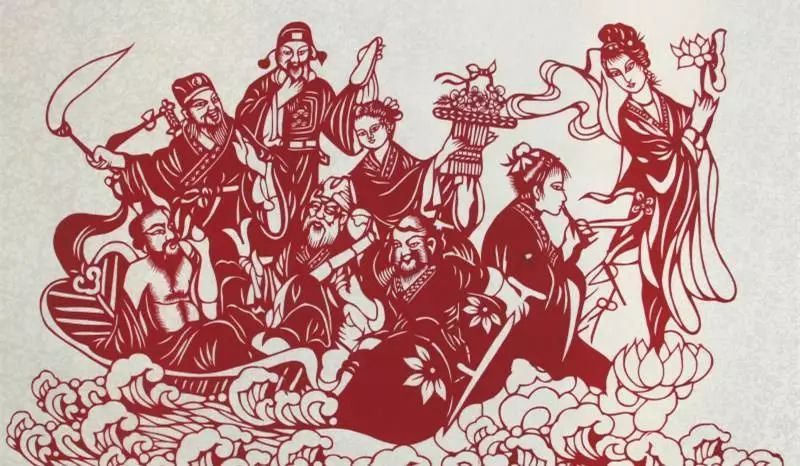
The first school covers Penglai, Longkou and Fushan, famous for mixed positive and negative carving. Large solid paper surfaces pair with tiny hollow lines to create striking contrast. Window cuttings usually come in sets of eight, with full, grand compositions focusing on the Eight Immortals crossing the sea and coastal landscapes. Figures carry vivid expressions, balancing bold outlines with delicate tiny lines.
The second school includes Laizhou, Zhaoyuan and Qixia, celebrated for ultra-fine, unbroken linework. Mini-sized pieces feature line drawing textures, widely used as wedding ornaments, pastry decorations and embroidery drafts. Motifs include lotus, fish and auspicious beasts, with silky smooth lines blending subtle grace with Jiaodong rustic charm.
The third school from Haiyang and western Weihai coastal areas adopts a bold, unrefined style. Artists use black soap paper to cut fishing, cattle and sheep patterns with simplified, exaggerated shapes, minimal hollowing, matching the bold temperament of coastal fishermen and fitting large wall and ceiling decorations.
Across all styles, core techniques include positive cutting, negative carving and multi-layer colored paper stacking, requiring connected lines and breathable hollow spaces. Most creators skip detailed pre-drafts and expand patterns spontaneously, arranging large main figures and smaller secondary images layer by layer. Symbols and homophones deliver lucky meanings, forming an exclusive Jiaodong creation method.
3.All Themes Fit to Cut: Rich Motifs and Folk Functions of Yantai Paper-Cutting
Yantai Paper-Cutting cover all folk rituals throughout people’s lives and seasons, with dozens of categories split into seasonal decorations, life ceremony ornaments and worship blessing cuttings, each pattern carrying unique heartfelt wishes.
First, seasonal decorative works include window cuttings, door banners, ceiling and window valances. During Spring Festival, red peony Paper-Cutting symbolize wealth and prosperity. Dragon Boat Festival features mugwort tigers, gourds and ox patterns, believed to ward off illness and evil spirits. Lantern Festival lamp cuttings create a warm reunion vibe. Coastal fishing villages cut fishing boats, waves and carps to pray for safe voyages and abundant catches.
Second, life ceremony ornaments called wedding cuttings. Fish-lotus, double gourd and bowl patterns fill wedding spaces, wishing harmonious marriages and thriving descendants. Birthday cuttings feature cranes and deer for longevity; lock and butterfly patterns celebrate newborn babies’ health. Tiny pastry cuttings decorate gift desserts for visiting relatives.
Third, worship Paper-Cutting include offering decorations and incense bucket ornaments. Placed on sacrificial offerings, they depict gods, auspicious beasts and hidden Eight Immortals symbols—representing immortals via their magical tools, standing for smooth life and good fortune. Villagers also craft paper figurines to fulfill vows and express gratitude.
Beyond folk customs, literati-style Paper-Cutting replicate antique ornaments, mountains and ink paintings, with high collection value. They are popular cultural gifts for business exchanges to deliver elegant oriental blessings.
4.Eternal Inheritance: Modern Heritage and Innovation of Yantai Paper-Cutting
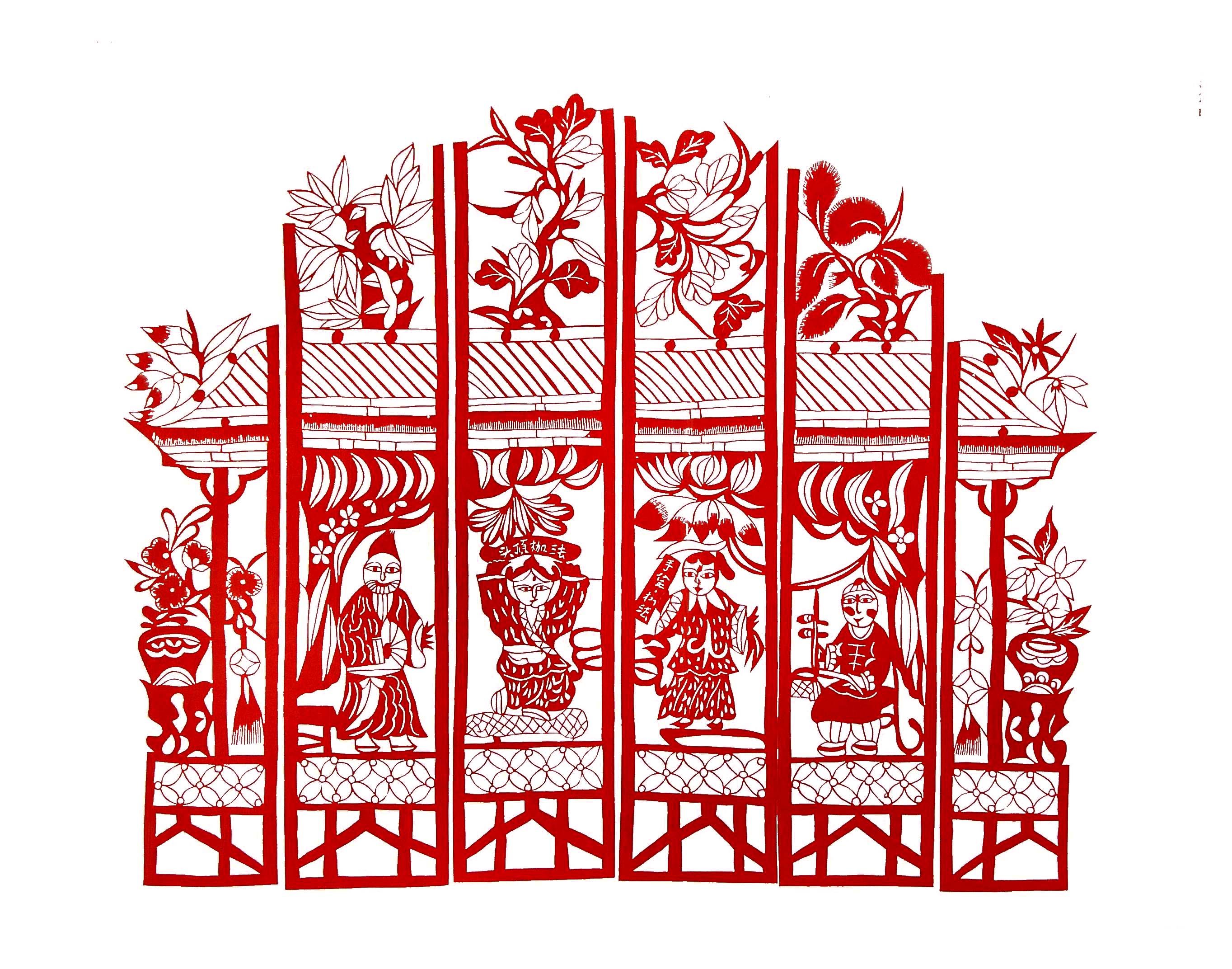
After thousands of years, Yantai Paper-Cutting never stays confined to old folk customs, but innovates constantly to fit modern life, carrying this ancient intangible heritage beyond villages to nationwide and global stages. Local cultural centers host free public cutting classes for teenagers, teaching basic carving skills starting with simple flowers and birds before advancing to complex Eight Immortals and coastal landscapes. Cultural tourist spots run heritage experience workshops, allowing visitors to create multi-layer colored cuttings and take home handmade souvenirs.
Modern creators expand themes beyond traditional farming and fishing, designing Paper-Cutting of Yantai coastlines, harbors and city landmarks to reflect contemporary life. New materials like rice paper, silk and gold foil are stacked in layers to upgrade texture and collectible value. A full range of cultural and creative goods feature Paper-Cutting patterns, including scarves, tea sets, bookmarks and bags, integrating auspicious symbols into daily supplies.
As a landmark symbol of Jiaodong culture, Yantai Paper-Cutting is exhibited at domestic and international heritage fairs and cultural exchange events, showcasing the charm of Chinese folk art worldwide. Generations of craftsmen preserve core carving skills and folk cultural spirits while embracing modern aesthetics, breathing endless new vitality into this red-paper art.