Origin: The Genesis of Paper-Cutting in the Bai Mountains and Black Waters
Xiuyan Manchu Autonomous County is located in eastern Liaoning, where the branches of the Changbai Mountains stretch and the source of the Taizi River flows through. The unique landscape nurtured the fishing and hunting civilization of the Manchu ancestors and gave birth to the artistic treasure of Xiuyan Manchu paper-cutting. As early as the Qing Dynasty, it was widely used in folk activities such as festivals, weddings, funerals and sacrifices. Elders cut tiger-head hat patterns for children to ward off evil and pray for blessings, while women decorated window lattices with flower and bird paper-cuts to express their feelings. Paper-cutting became the "visual language" of the Manchu people's life.
Craftsmanship: A Unique Artistic Code
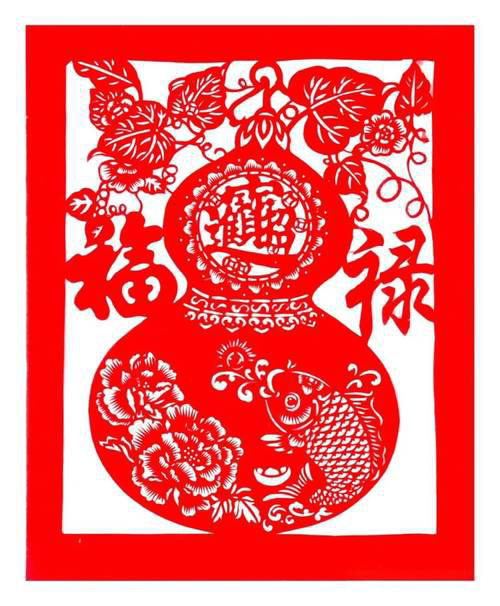
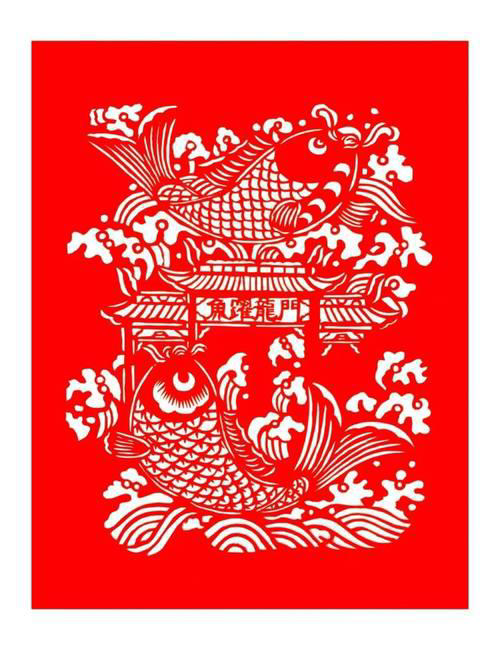
The artistic charm of Xiuyan Manchu paper-cutting lies in its unique creation techniques and themes. In terms of techniques, it focuses on the "combination of positive and negative carving". Positive carving outlines the contour as thin as hair, while negative carving fills in details with fullness. A pair of scissors moving on the paper can present a texture of "roughness with delicacy, hardness and softness combined". The themes are deeply rooted in Manchu life. The agile posture of hunters drawing bows and arrows in hunting scenes, the vivid picture of chickens and ducks pecking in farmyards, and the solemn scene of Shaman praying in myths have all become classic materials for paper-cutting, full of strong life atmosphere and national characteristics.
Inheritance: From the Elderly's Fingertips to the Youth's Palms
Once, the inheritance of Xiuyan Manchu paper-cutting mostly relied on family oral teaching. Now this ancient art is ushering in new vitality. A national intangible cultural heritage inheritor has been engaged in paper-cutting creation for more than 60 years. They not only adhere to traditional techniques but also run training classes to impart their skills to hundreds of students without reservation. Local primary and middle schools have also incorporated paper-cutting into their school-based courses. Children hold small scissors and cut immature but creative works on colored paper. Inheritors who once worried about the loss of the craft now see the enthusiasm of children and deeply know that this cultural baton has been firmly passed on.
New Life: The Contemporary Bloom of Traditional Paper-Cutting
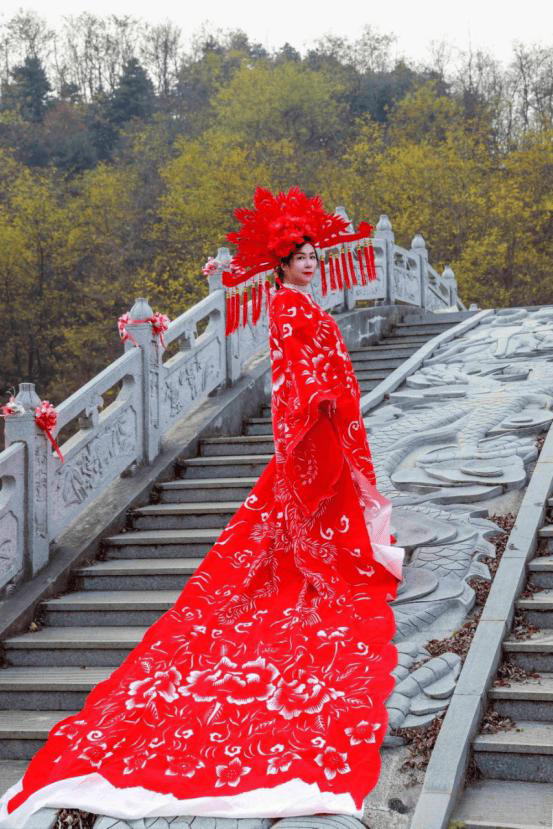
In the wave of innovation, Xiuyan Manchu paper-cutting is breaking through the limitations of traditional scenarios. Local cultural and creative enterprises integrate paper-cutting elements into notebooks, scarves, decorative paintings and other products, bringing paper-cutting art into modern life. Paper-cutting artists cooperate with designers to display works in fashion shows and cultural and creative exhibitions, enabling this national art to gain wider attention. Last year, the Xiuyan Manchu paper-cutting cultural and creative products were also sold overseas through e-commerce platforms, allowing the world to see the charm of Chinese folk art.
Invitation: A Cultural Date with Paper-Cutting
From the decoration on window lattices to the high-quality products on cultural and creative shelves, from the life symbol of the Manchu ancestors to the cultural card of China, every transformation of Xiuyan Manchu paper-cutting is inseparable from persistence and innovation. If you are also moved by this art on fingertips, you may go to Xiuyan, watch inheritors create with scissors, or try to cut a work by yourself, allowing this ancient cultural charm to continue in your palms.