1.Unique Craftsmanship: Carving Instead of Cutting
The defining feature of Xiantao carved paper‑cutting is its technique of carving with gravers on a wax plate, which sets it apart from northern Chinese scissor‑cut paper art.
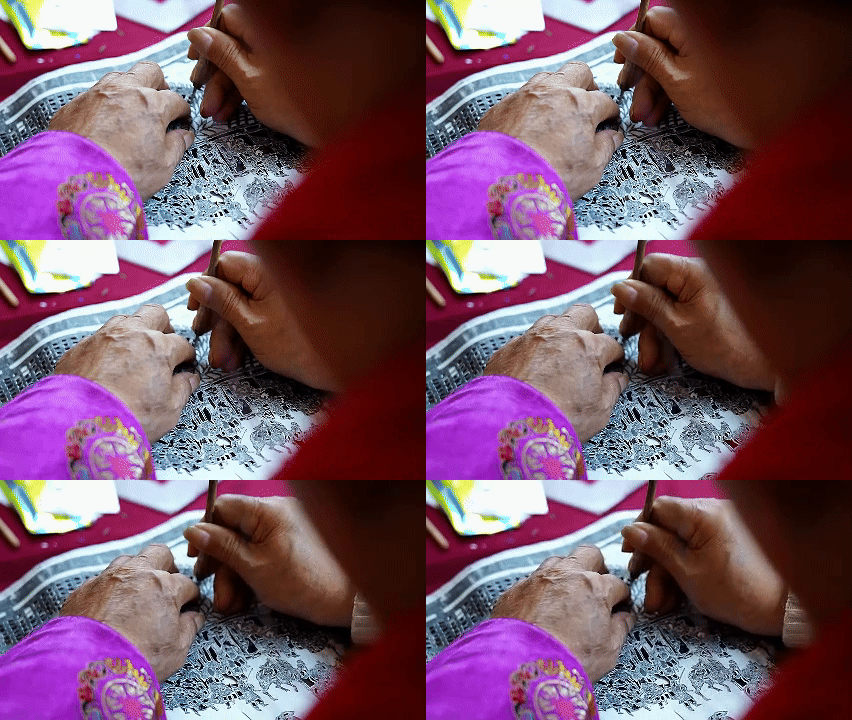
- Tools and Process: Artisans use over ten types of self‑made gravers—flat, rounded, triangular and more—on a wax plate made from beef tallow, paraffin and plant ash. Typically, 10 to 20 layers of white paper are stacked and carved in a single pass, producing dozens of identical patterns. The craft requires steady wrist control and sharp vertical cuts, creating clean, crisp lines as fine as hair without tearing.
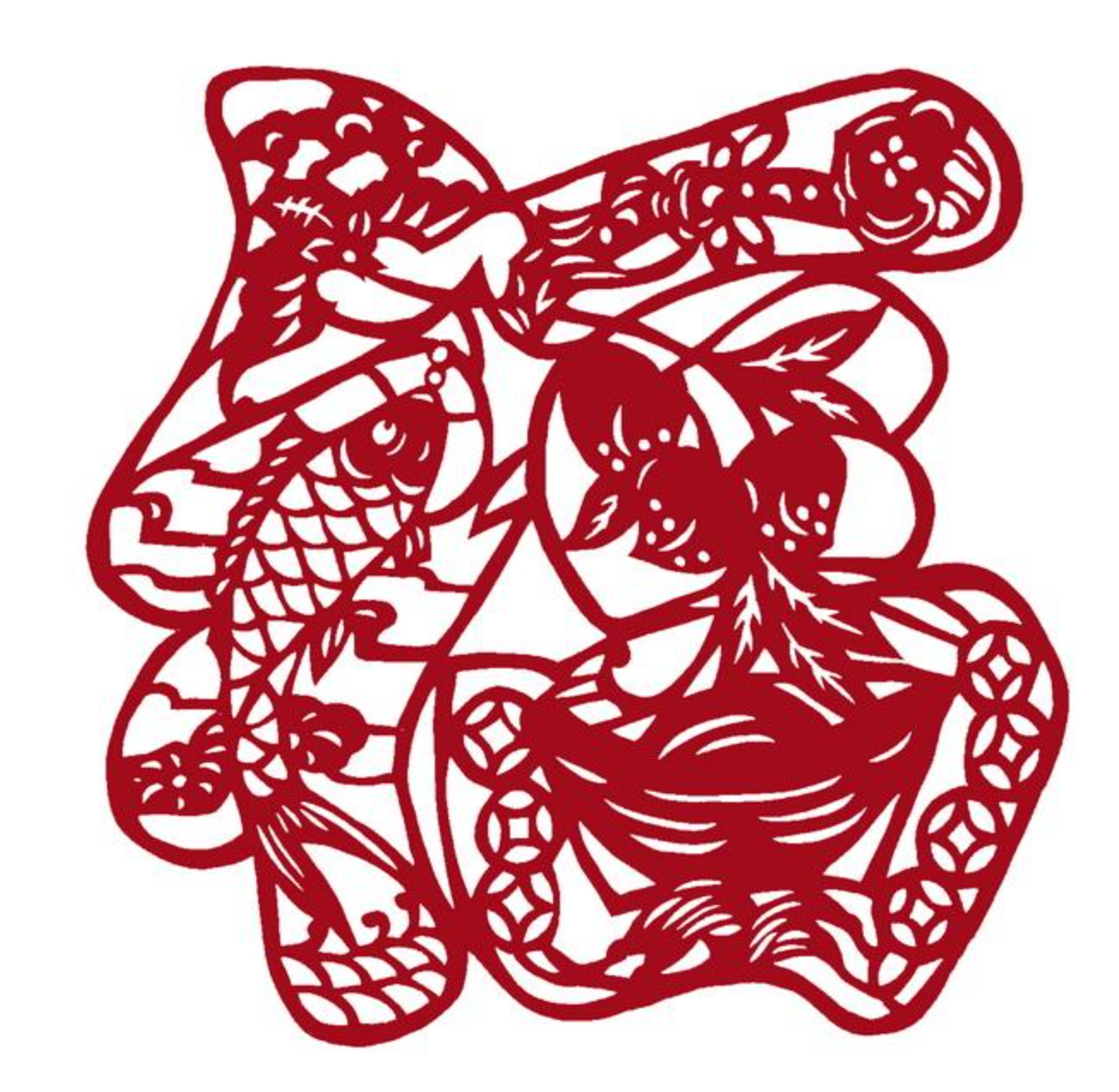
- Pattern Repertoire: There are thousands of traditional designs, including flowers, birds, opera figures, auspicious symbols and folk tales. Compositions are full and balanced, with intricate yet spacious linework that combines southern Chinese delicacy with the straightforward vigour of Jingchu culture. Most traditional “flower stencils” follow symmetrical layouts, ideal for mass‑produced embroidery templates.
2.Historical Legacy: A Thousand‑Year Folk Heritage
Xiantao, formerly called Mianyang, lies in the heart of Jianghan Plain. Its river‑laced landscape nurtured a distinctive folk aesthetic and fertile ground for carved paper‑cutting to flourish.
- Origins and Golden Age: Historical records show the craft emerged in the Wei‑Jin dynasties, developed through the Tang and Song, and reached its peak in the Ming and Qing eras. During this period, wandering “flower carvers” sold patterns door‑to‑door, bringing the craft into ordinary households. By the late Qing dynasty, Mianyang carved paper‑cutting had a complete professional system with celebrated masters and family‑based inheritance schools.
- Heritage Recognition: In 2008, Mianyang carved paper‑cutting was added to China’s National Intangible Cultural Heritage List. In 2009, as a core component of Chinese paper‑cutting, it was inscribed on UNESCO’s Representative List of the Intangible Cultural Heritage of Humanity, elevating the local folk craft to global status.
3.Folk Symbolism Woven into Daily Life
Xiantao carved paper‑cutting has never been mere decorative art—it is deeply rooted in folk life, serving as a vital medium for people on Jianghan Plain to express good wishes.
- Festival Auspicious Symbols: During the Spring Festival, every household pastes carved paper‑cut window decorations and door hangings to pray for peace and good fortune. At the Lantern Festival, paper‑cut patterns adorn lanterns to heighten the festive mood. Designs also appear on pastries and gift wrappings for the Dragon Boat Festival, Mid‑Autumn Festival and other seasonal celebrations.
- Life Milestone Blessings: For weddings, patterns like double happiness, dragon‑and‑phoenix and peony prosperity are essential dowry and bridal chamber decorations, wishing couples a happy marriage and thriving family. For elders’ birthdays, pine‑crane longevity and “five blessings surrounding longevity” designs convey wishes for health and long life. For babies’ ceremonies, tiger and “successive sons” patterns are made to protect children and wish them safe growth.
- Commercial and Brand Identity: In old times, local shops and workshops decorated signboards and packaging with paper‑cut patterns to express sincerity and wish for booming business. Today, many Hubei brands still integrate carved paper‑cut elements into product design to highlight regional cultural identity.
4.Contemporary Revival: Heritage Meets Modern Life
In the new era, Xiantao carved paper‑cutting is preserving its traditional techniques while exploring new paths for innovative inheritance. Generations of intangible heritage inheritors have upheld the craft, opening training workshops and teaching in schools to pass on carving skills to young people. Many masters have also compiled pattern collections and documented endangered traditional designs to safeguard this cultural memory. Contemporary creators integrate paper‑cut elements into cultural merchandise, digital art and cultural tourism design, developing derivatives such as jewellery, stationery, home décor and digital collectibles that bring the ancient craft into modern life. Designers also apply paper‑cut aesthetics to fashion, animation and film art to expand its reach. Today, as a representative of Chinese intangible heritage, Xiantao carved paper‑cutting has been exhibited internationally, showcasing the charm of Chinese folk art to the world.
Every cut carries meaning, every sheet holds charm. Over thousands of years, Xiantao carved paper‑cutting has engraved the daily warmth of Jianghan Plain and the good wishes of Jingchu people into thin sheets of paper. Born from folk life and woven into daily living, it retains vivid vitality through inheritance and innovation, remaining a warm and distinctive part of China’s fine traditional culture.