1.A Thousand-Year Origin: Paper Culture Born at the Border of Wu and Chu Civilizations
The Yangtze River runs through northern Jiangxi, where Ruichang sits at the cultural junction of northern and southern China, known as the border of Wu and Chu civilizations. This special geographic location laid the foundation for the birth and evolution of its paper-cutting craft. Archaeological excavations reveal continuous decorative patterns on bricks and pottery from Western Jin tombs in Ruichang, which share nearly identical linework and composition with modern Ruichang paper-cuts. This proves the art’s origins stretch back to the Han and Jin dynasties over a millennium ago, earning it the title “living fossil of Jiangxi paper-cutting”.
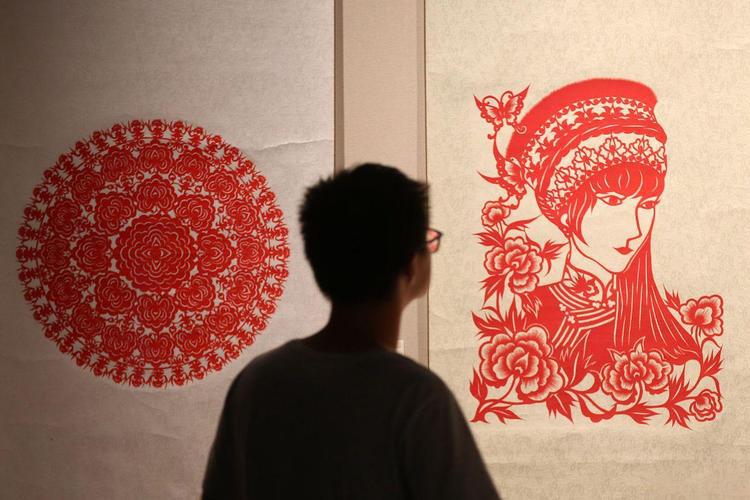
Over centuries, the rugged charm of Chu culture and the delicate elegance of Wu-Yue culture merged seamlessly here. Unlike purely bold northern paper-cutting or ultra-fine southern styles, Ruichang works balance strength and softness: thick strokes capture grand landscapes, while thin lines depict gentle flowers and birds, weaving two aesthetic spirits onto a single sheet of paper.
Historically, Ruichang paper-cutting passed down orally and through hands-on teaching, mostly among rural women. It was once a mandatory skill for young women before marriage; intricate cutting skills were seen as a marker of talent and good family manners. This rural inheritance system preserved the raw, authentic charm of ancient paper-cutting techniques intact.
2. Exclusive Craft: Distinctive Aesthetics of Yin-Yang Contrast Cutting
Ruichang paper-cutting stands out nationwide thanks to its signature yin-yang cutting method and exclusive non-hollowing craft, its most distinctive artistic trademarks. Craftspeople work solely with scissors, no pre-drawn sketches, cutting freely based on life observations. Yang cutting outlines bold, crisp outer shapes; yin cutting fills delicate internal textures. Interweaving both techniques creates layered visuals where void and solid shapes complement each other perfectly.
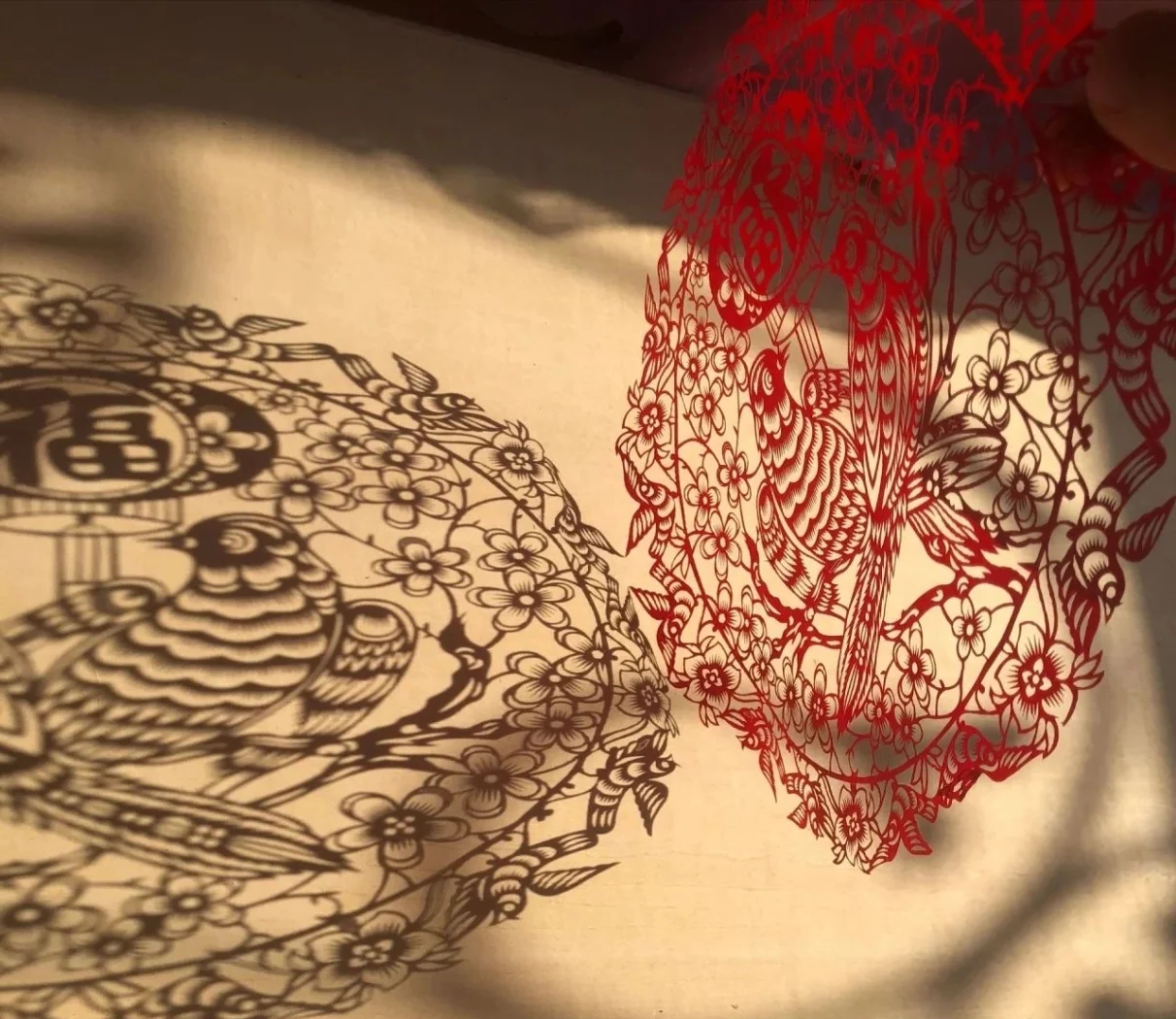
Most Chinese paper-cut styles rely on large hollowed spaces for transparency, yet Ruichang adopts the opposite approach: extensive non-hollowing creates soft, hazy yet vivid imagery carrying subtle oriental charm. Compositions rarely follow rigid symmetry, instead adopting balanced layouts and S-shaped connected patterns. Artists ignore realistic perspective and time-space limits, freely blending flowers, animals, human figures and farming scenes with vivid folk imagination.
Its color palette remains simple and restrained. Red or black single-color paper dominates daily creations; weddings and festivals use red, white, blue or layered colored paper, while sacrificial works adopt muted, solemn tones. Emotion is conveyed through dense or sparse linework rather than bright hues, letting symbolic patterns take center stage.
3. Auspicious Patterns: Folk Blessings Rooted in Daily Life
Every motif of Ruichang paper-cutting originates from folk life, carrying ordinary people’s wishes for happy lives, centered on the core theme of “yin-yang harmony” that symbolizes vitality, fertility and completeness, acting as a visual carrier of northern Jiangxi folk customs.

During festivals, every household pastes window cuttings of golden roosters announcing dawn and carps leaping over dragon gates at Lunar New Year, wishing surplus wealth and auspicious new beginnings. Paper-cut garlands hang at Mid-Autumn and Lantern Festivals to celebrate family reunion.
For weddings, wedding embroidery patterns, dowry items and bridal room curtains are decorated with festive paper-cuts. Motifs like butterflies around melons, magpies perched on plum blossoms and fish swimming among lotus blooms symbolize lifelong marriage, joyful unions and abundant offspring. In ancient courtship customs, paper-cut works directly showcased young women’s artistic talent.
Farming-themed works form Ruichang paper-cutting’s unique rural mark. Series like Rice Milling and Spring Ploughing fully depict traditional Jiangxi agricultural labor: ploughing, spinning and harvesting scenes vividly preserve thousands of years of southern rural production culture. Other common subjects include dragon-phoenix auspicious beasts, opera characters, myths, mountains and flowers. Large scroll works such as Eighty-Seven Immortals and 108 Heroes of Water Margin recreate classic literary and religious paintings on paper, holding both aesthetic and historical documentary value.
In business and social etiquette, Ruichang paper-cut patterns adorn porcelain and silk gifts as thoughtful souvenirs, conveying blessings of prosperity and harmonious partnerships.
4. Revitalization of Intangible Heritage: From Rural Craft to Global Stage
After thousands of years of inheritance, Ruichang paper-cutting was officially inscribed on China’s second batch of National Intangible Cultural Heritage Lists in 2008. Ruichang City earned the title “Hometown of Chinese Folk Art” in 1993. Hundreds of its works have been displayed at the Canton Fair, Olympic Expo and international cultural exhibitions overseas, including a showcase at WIPO headquarters in Geneva, Switzerland, winning global admiration from international visitors.
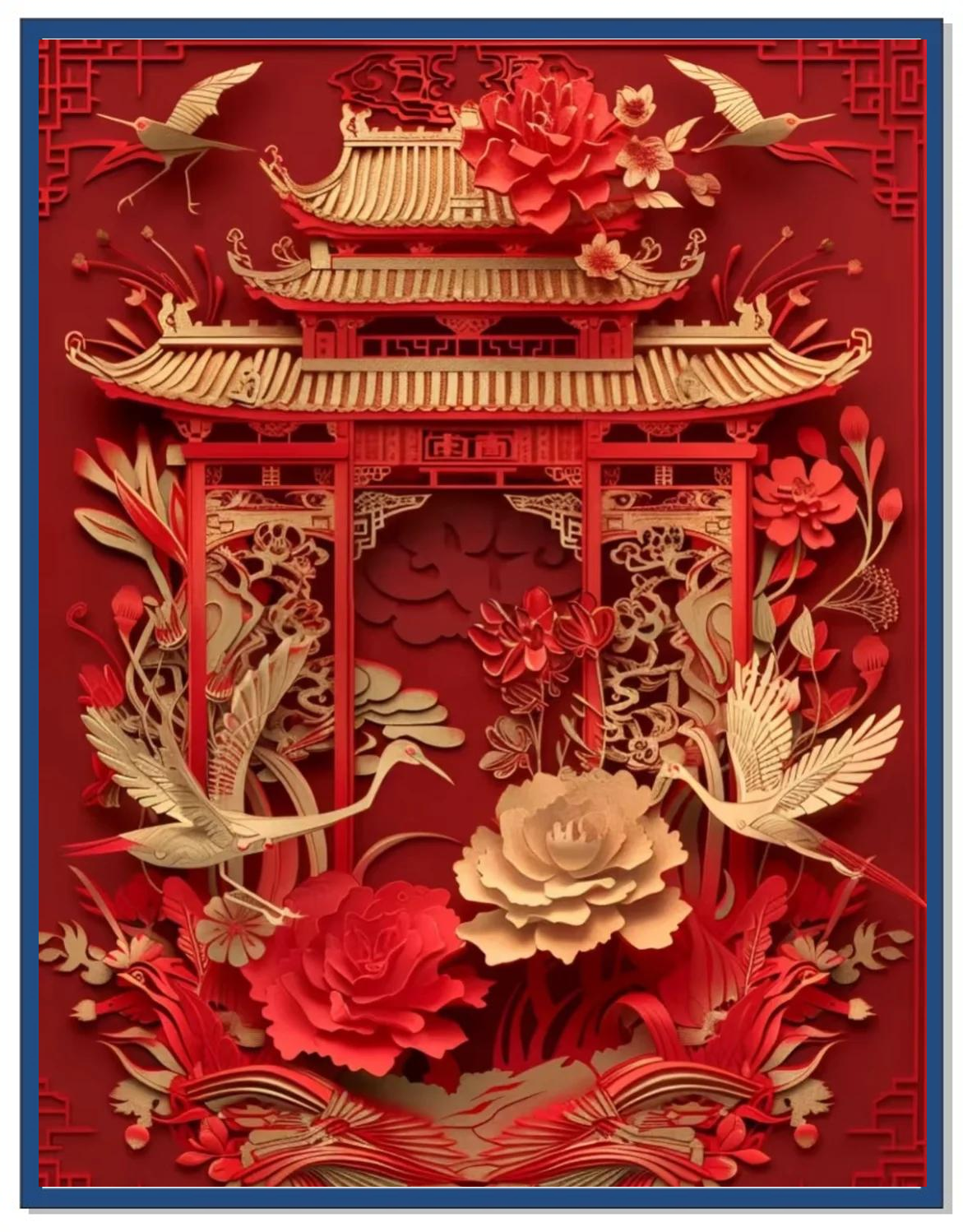
In modern times, this ancient craft crosses creative boundaries for revitalization. Artists integrate sports events, city skylines and contemporary daily life into traditional cut patterns, launching Olympic-themed and cultural tourism paper-cut series. It also collaborates with animation, VR technology and cultural and creative products: flat paper-cut lines fit digital visual design perfectly, turning static patterns into dynamic narrative videos to attract younger audiences.
Local cultural centers run free public paper-cutting courses for teenagers, systematically sorting ancient patterns, collecting veteran craftspeople’s manuscripts and building digital archives to protect heritage resources. Cultural derivatives including bookmarks, decorative paintings and fabric prints bring paper-cut art into daily life, moving it out of exhibition halls as accessible, collectible everyday aesthetics.
As a folk art blending northern and southern Chinese aesthetics, Ruichang paper-cutting serves not only as a cultural symbol of Jiangxi but also a vital medium to share Chinese auspicious culture and handcraft ingenuity worldwide. Thin colored paper carries timeless oriental beauty connecting China and the globe.