In the long river of Chinese folk art, Nanjing Paper-Cutting is a bright treasure nurtured by Jinling culture. It is never a simple fingertip craft, but a carrier of the life emotions and cultural memories of Nanjing people for thousands of years, hiding the gentleness of the south of the Yangtze River and the heaviness of the ancient capital. From folk handicrafts in old alleys to world-renowned intangible heritage treasures; from decorative patterns of traditional folk customs to cultural IP of modern cities, Nanjing Paper-Cutting has always bloomed with unique vitality in inheritance and innovation. This art, with red paper as the medium and scissors as the pen, condenses ingenuity on fingertips, hides grace in paper, and makes the cultural charm of Jinling span time and space and last forever. Let's explore the unique charm of this ancient craft and feel the millennium Jinling customs flowing in the paper.
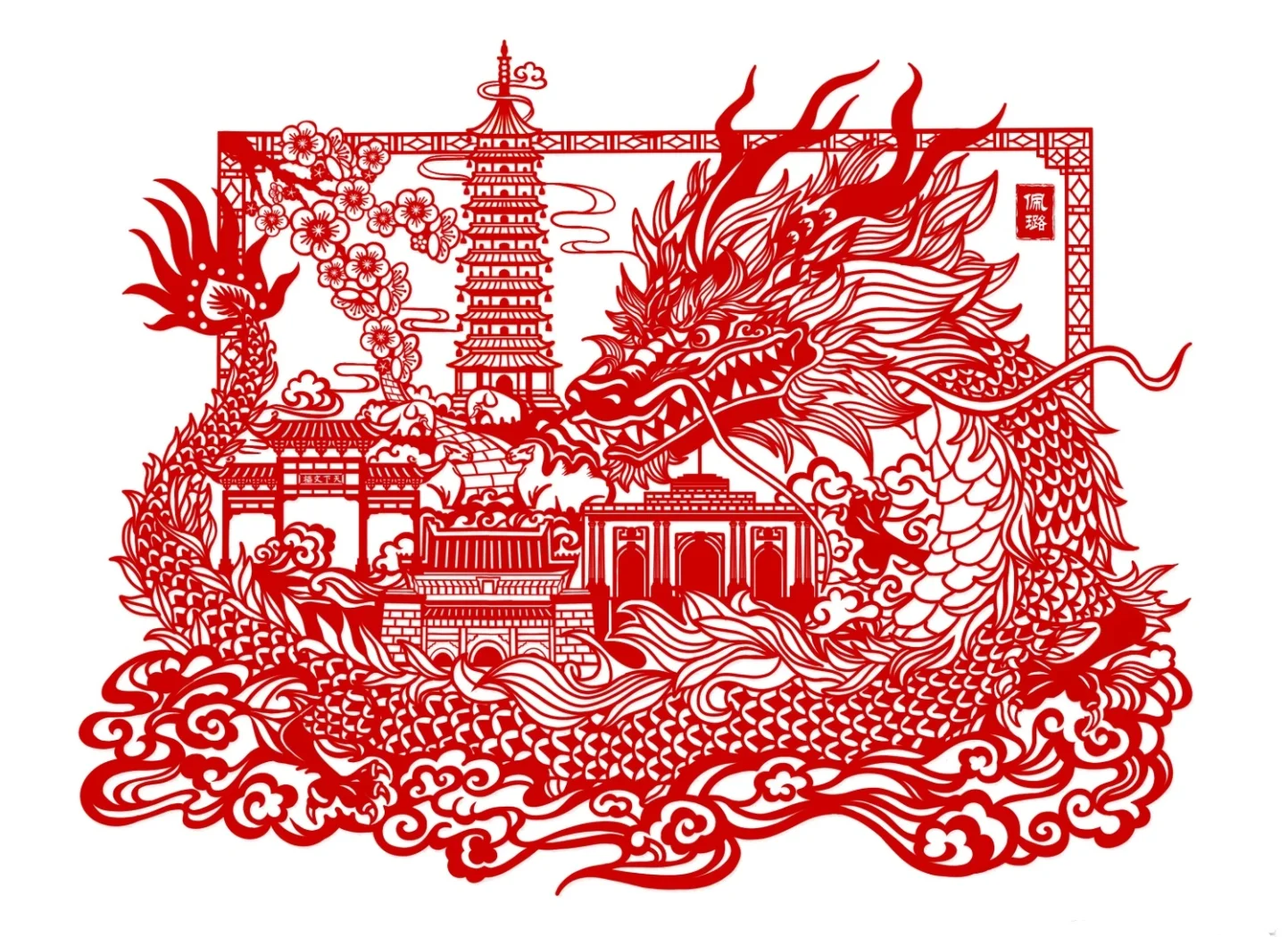
Millennium Inheritance: From Folk Life to World Intangible Cultural Heritage
The development of Nanjing Paper-Cutting is closely linked with the historical changes of Jinling City. From a small ornament in daily folk life, it has gradually grown into a cultural treasure on the world stage. The inheritance for thousands of years has made this craft always rooted in life and never faded.
- Han Origin and Ming Prosperity, Initial Formation of Style: The history of Nanjing Paper-Cuttingcan be traced back to the Han Dynasty, when there was a folk custom for women to cut gold and silver foil into patterns and paste them on their temples for decoration, and the Paper-Cuttingtechnique had initially taken shape. In the Ming Dynasty, Nanjing became the capital, where cultures from all over the country blended, and this craft also ushered in a golden age of development. It integrated the boldness of northern Paper-Cutting and the exquisiteness of southern Paper-Cutting, forming a unique initial form of "a flower within a flower", and became a widely spread folk craft, loved by both the royal nobles and the common people.
-
Formation of School, Marching to the World: In the 1920s and 1930s, Nanjing Paper-Cutting officially formed an independent school. A large number of folk artists gathered around the Confucius Temple. They integrated Paper-Cutting into the production of daily objects such as shoe patterns and belly pocket flowers, making the craft truly integrate into urban life. After the founding of the People's Republic of China, the Paper-Cutting technique has been further protected and developed. Folk Paper-Cutting cooperatives and craft factories have been established one after another, and their works have gone abroad and been sold overseas, letting the world see the unique beauty of Jinling Paper-Cutting.
- Intangible Heritage Coronation, Eternal Cultural Context: In 2007, Nanjing Paper-Cutting was included in the list of Jiangsu Provincial Intangible Cultural Heritage and received key protection at the local level; in 2008, it was listed in the national list of representative intangible cultural heritage projects, becoming an important part of excellent traditional Chinese culture; in 2009, as a core part of Chinese Paper-Cutting, it was inscribed on the Representative List of the Intangible Cultural Heritage of Humanity by UNESCO, and since then it has stepped onto the world cultural stage, becoming an important window to show Chinese folk art to the world.
Exquisite Craftsmanship: Paper-Cutting Art Blending Northern and Southern Charms
The core reason why Nanjing Paper-Cutting can become a treasure in folk art lies in its unique technical characteristics and aesthetic style. For thousands of years, artists have taught by mouth and heart from generation to generation, integrating the essence of northern and southern Paper-Cutting, and polishing the artistic characteristics of "a flower within a flower, a theme within a theme, roughness with delicacy, and ingenuity in clumsiness", making a piece of red paper have infinite vitality under the scissors.
- Heart as the Draft, Accomplished in One Go: The most distinctive skill of Nanjing Paper-Cutting is that most of the works do not need a draft, relying entirely on the artist's composition in the heart, holding the scissors and cutting the knife in one go, just like the "one-stroke painting" in traditional Chinese painting, with continuous lines and a natural composition. The order of cutting is also quite particular, following the principle of "difficult first, easy later; delicate first, rough later". The right hand cuts the flower, the left hand turns the paper, and the control of the fingertips depends entirely on decades of experience accumulation. A slight deviation may lead to the failure of all previous efforts, which is also the ultimate test of the artist's hand-eye coordination and psychological quality.
- Integration of North and South, Diverse Categories: Nanjing Paper-Cutting is mainly based on cutting, and only door notes are assisted by carving knives. In terms of technology, it integrates the bold and unrestrained of northern Paper-Cutting and the graceful and delicate of southern Paper-Cutting, with a light, bright and lively style, and transparent and smooth lines without any procrastination. Divided by function, Nanjing Paper-Cutting has formed four classic categories: wedding paper cuts, door notes, douxiang paper cuts and embroidery patterns, each with its own characteristics: wedding paper cuts have a full and round shape with auspicious themes; door notes are specially for Spring Festival decoration, with red background and gold characters, implying blessing in the new year; douxiang paper cuts are a unique color-matched category of Nanjing Paper-Cutting, made of seven-color wax paper with rich color levels; embroidery patterns are the draft of folk embroidery, with patterns close to life and full of mortal life breath.
- Red as the Main Tone, Hiding Auspiciousness: Traditional Nanjing Paper-Cutting takes bright red monochrome as the core tone. In traditional Chinese culture, red symbolizes auspiciousness, joy and prosperity, which is exactly integrated with the folk application scenarios of Paper-Cutting. Whether it is the wedding hall or the courtyard in the Spring Festival, a touch of Paper-Cutting red can fill the festive atmosphere. The unique douxiang paper cuts break through the monochrome limit, cut with multi-color wax paper overlapping, with distinct but harmonious color contrast, interweaving red, yellow, blue and green, becoming a unique bright color in the field of Chinese Paper-Cutting.
Living Vitality: From Folk Decoration to Urban Cultural Symbol
True intangible heritage is never an antique kept in a high cabinet, but a cultural life rooted in life and growing continuously. Nanjing Paper-Cutting has been accompanied by folk life for thousands of years, carrying people's expectations for a better life. In the new era, it has broken through the boundary of traditional folk decoration, deeply integrated with modern life and urban culture, realized the living inheritance of intangible heritage, and become a unique urban cultural symbol of Nanjing.
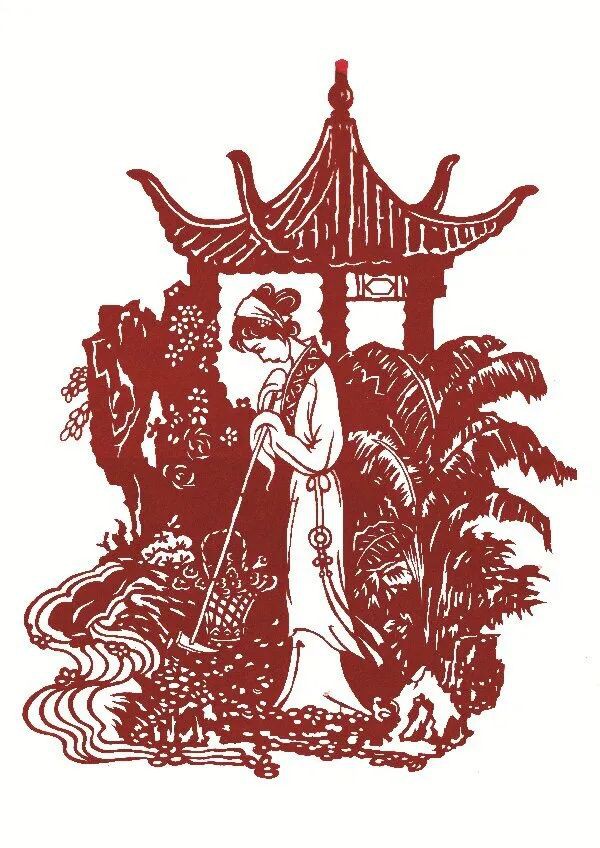
Rooted in Folk Customs, Carrying Beautiful Expectations: For thousands of years, Nanjing Paper-Cutting has long been integrated into the life rituals of Nanjing people and become an indispensable part of weddings, funerals and festivals. At weddings, window sills and dowries are pasted with wedding paper cuts of mandarin ducks playing in the water and twin lotuses blooming, blessing the newlyweds to live a happy life for a hundred years and have many children and grandchildren; during the Spring Festival, door notes are pasted on the lintels, window grilles on the windows, and red paper cuts reflect red lanterns, praying for a happy family and a prosperous life in the new year; in traditional sacrifices, douxiang paper cuts are decorated on incense candles, entrusting people's longing for ancestors and thirst for peace. Every pattern of Paper-Cutting has a meaning, either taking natural objects as the carrier or conveying beauty through homophony, such as "joy on the brow", "five blessings coming to the door", "pine and crane prolonging life". A piece of red paper cuts patterns and hides people's all kinds of expectations for life.
Upholding Tradition and Innovating, Integrating into Modern Life: In the contemporary era, Nanjing Paper-Cutting has not stopped at tradition, but keeps innovating on the basis of upholding tradition, making the ancient craft enter modern daily life. Artists have broken through the material limitations of rice paper, integrated new materials such as non-woven fabrics and copper foil into creation, and solved the problems of easy damage and fading of traditional paper cuts; designers have combined Paper-Cutting elements with modern design concepts, developed various products such as Paper-Cutting bookmarks, postcards and cultural and creative ornaments, and even integrated them into clothing, jewelry, architectural decoration and other fields, making the beauty of Paper-Cutting move from walls and window sills to all aspects of life. At the same time, primary and secondary schools and universities in Nanjing have set up Paper-Cutting courses one after another, and intangible heritage inheritors have entered the campus to teach, letting the younger generation understand and love this craft, cultivating a large number of young inheritors, and making the Paper-Cutting technique pass on from generation to generation.
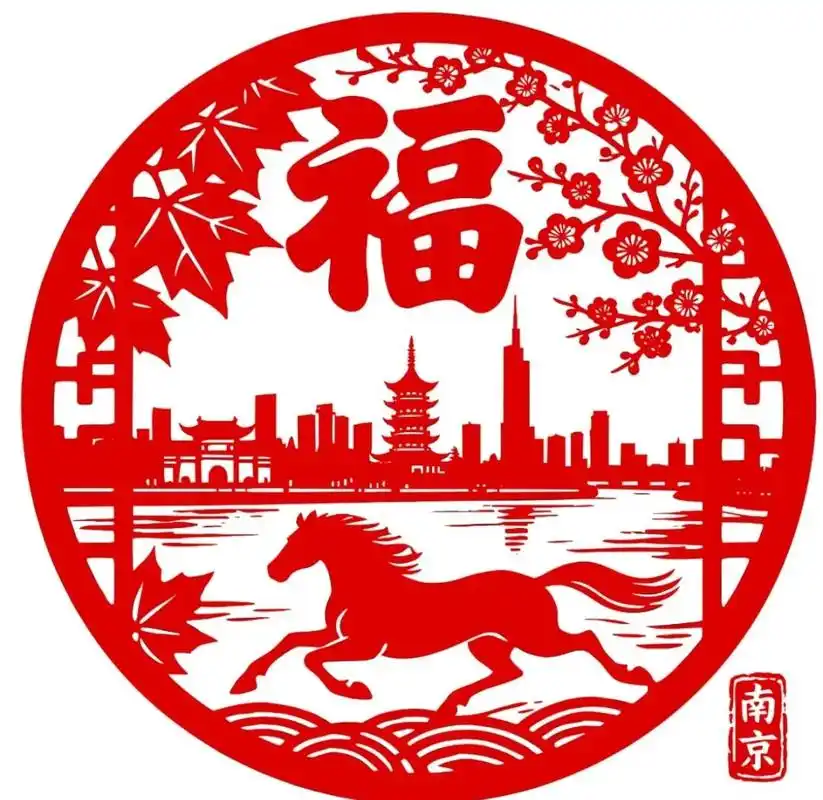
Urban IP, Blooming Jinling Grace: Today, Nanjing Paper-Cutting has long become an important carrier of Nanjing's urban cultural construction and a cultural business card showing the characteristics of Jinling. The "Intangible Heritage Fortune Window" built with Nanjing Paper-Cutting as the core has become a unique Spring Festival cultural IP of Nanjing. The Paper-Cutting patterns integrate zodiac elements and Jinling landmarks such as Confucius Temple, Purple Mountain and Qinhuai River, and are pasted on the window sills of scenic spots, shopping malls and old alleys. Inside the window is mortal life, outside the window is Jinling scenery, blending the ancient and the modern, making Paper-Cutting art walk out of the museum and into the streets and alleys. Every festival, Paper-Cutting-themed exhibitions and experience activities are held everywhere in Nanjing, attracting local citizens and tourists from all over the country to participate, feeling the charm of Paper-Cutting and understanding the culture of Jinling in hands-on experience. Nanjing Paper-Cutting is no longer a simple folk craft, but a cultural bridge connecting the city with citizens and Nanjing with the world, making the grace of Jinling bloom in the paper.
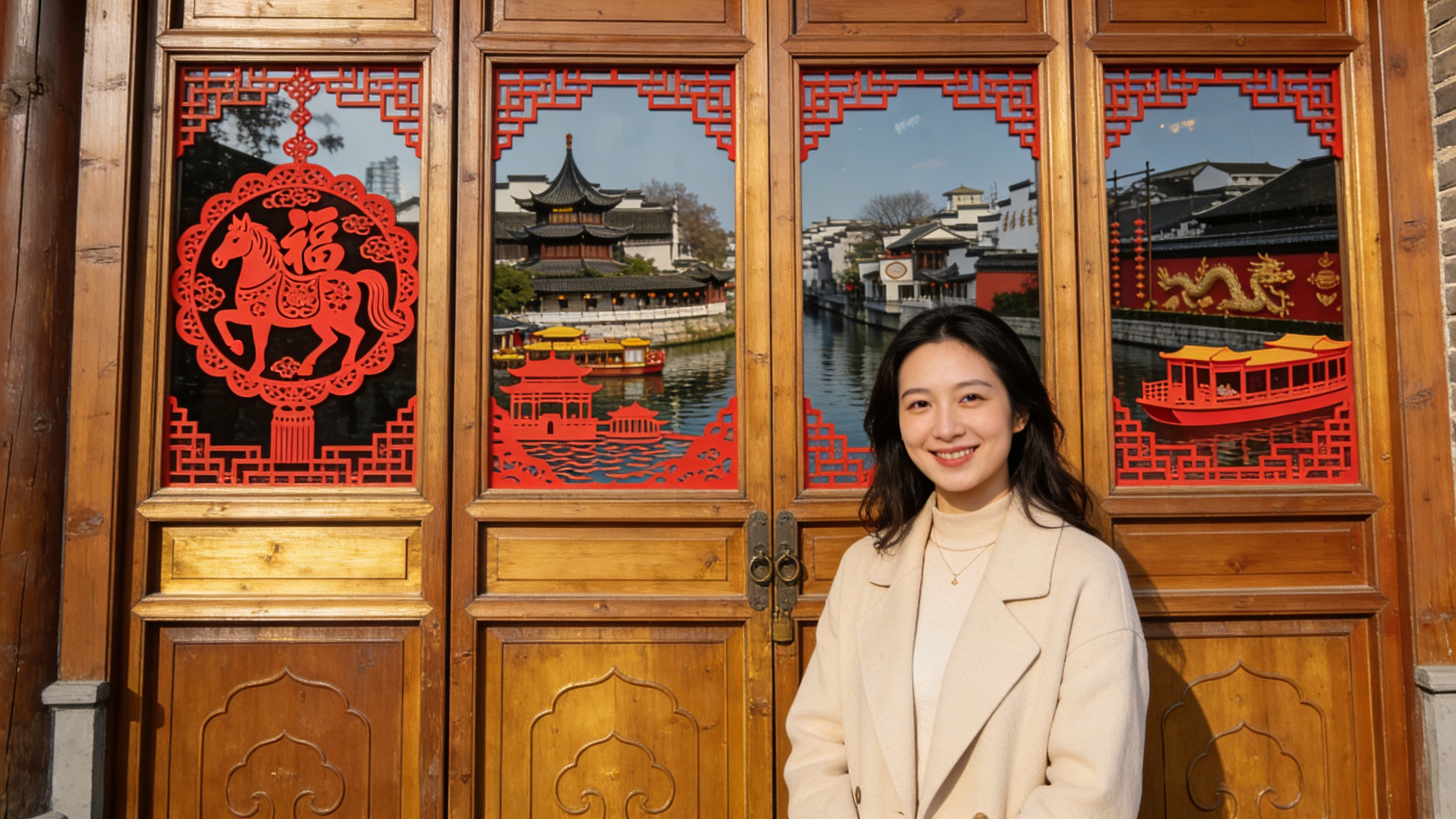
A piece of red paper and a pair of scissors condense the ingenuity of several generations of Nanjing folk artists and carry the cultural memory and life emotions of Jinling for a thousand years. Nanjing Paper-Cutting is a microcosm of Chinese folk culture and a concrete expression of Jinling culture. It has gone through the vicissitudes of thousands of years, from folk alleys to the world stage, from traditional folk decoration to modern urban cultural IP, and has always maintained vivid vitality with the attitude of inheritance and innovation.
It makes us see that intangible heritage is never a static history, but a flowing culture, which constantly integrates with the times and glows with new splendor in the long river of time. In the future, this ancient art on the fingertips will continue to bloom in the integration of tradition and modernity, carrying people's expectations for a better life, with the cultural charm of Jinling, and passing the unique beauty of Chinese folk art to a farther future.