First Impression: A Paper-Cutting Treasure on the Loess Plateau
In the loess gullies of Guangling, Shanxi, there hides a craft that has amazed time - Guangling dyed Paper-Cutting. As one of China's four major Paper-Cutting schools, it breaks the single - color limitation of traditional Paper-Cutting and is unique for its "combination of cutting and dyeing". In 2009, it was included in the UNESCO Intangible Cultural Heritage List along with Chinese Paper-Cutting. Different from the bold and unconstrained northern Paper-Cutting, Guangling Paper-Cutting combines delicate composition and vivid colors, becoming a bright spot in the loess culture.
Origin: From Folk Necessity to Artistic Sublimation
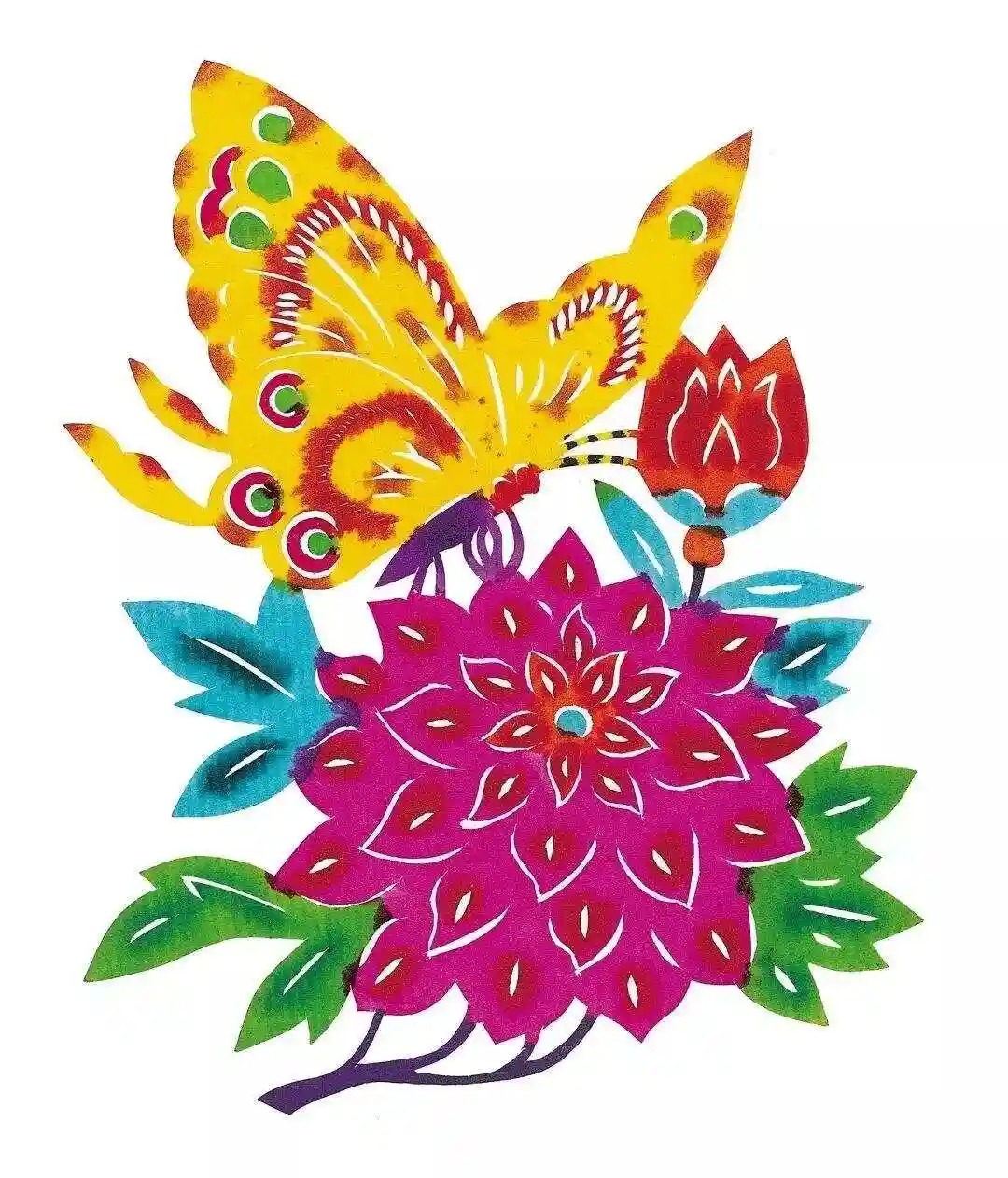
The root of Guangling Paper-Cutting is deeply rooted in the folk custom soil. During the Ming and Qing Dynasties, every Spring Festival and wedding, Paper-Cuttings must be pasted on the window lattices of farmers' homes to imply auspiciousness. Initially, most of them were single - color red cuts. Later, craftsmen discovered the magical effect of local natural dyes and tried the dyeing process, making flowers, birds, fish, insects, characters and stories "come alive" on the paper. In the late Qing Dynasty and early Republic of China, the descendants of the "Paper-Cutting family" constantly innovated their techniques, making this craft move from practical folk custom to the art palace.
Craftsmanship: The Unique Skill of Combining Cutting and Dyeing
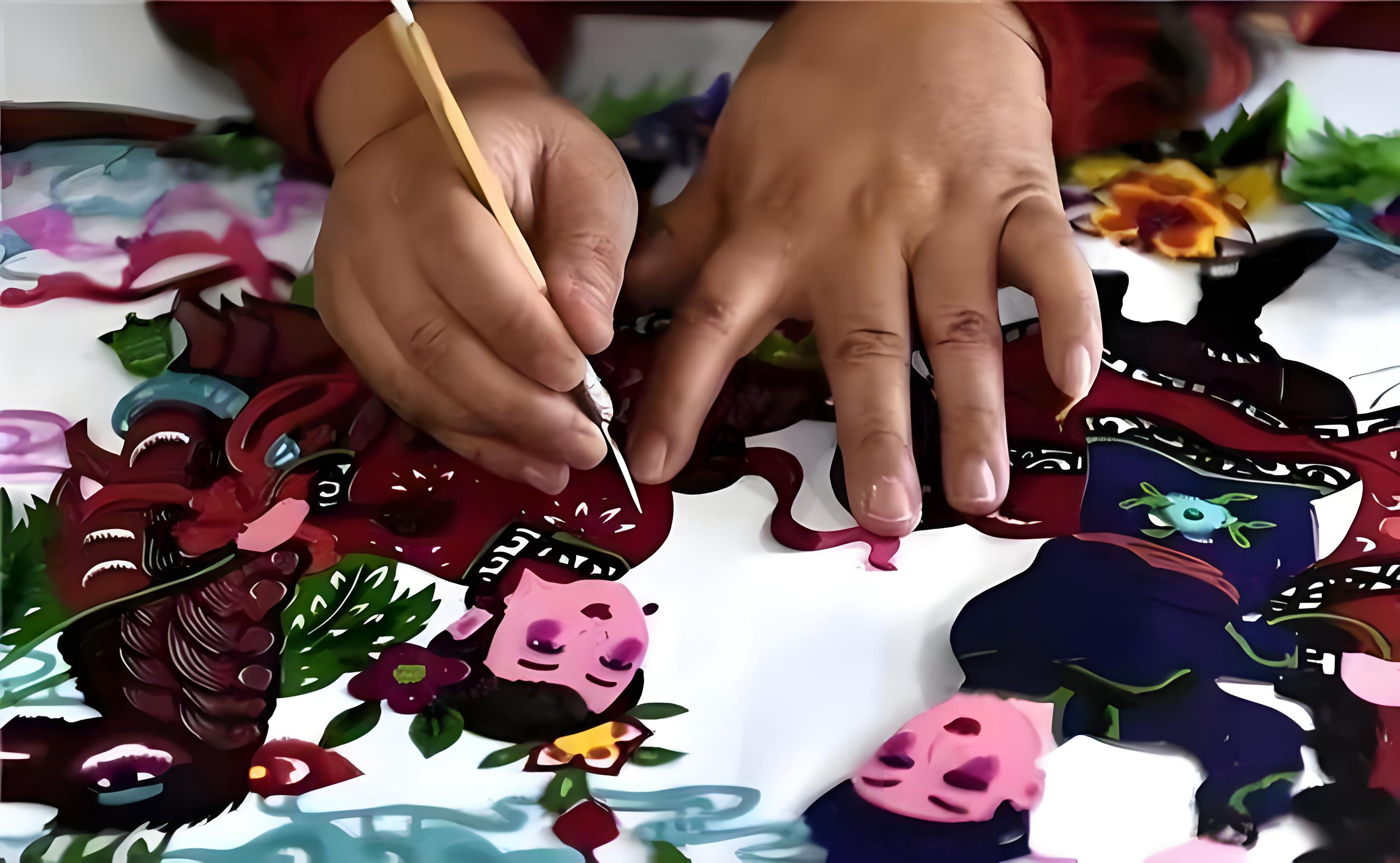
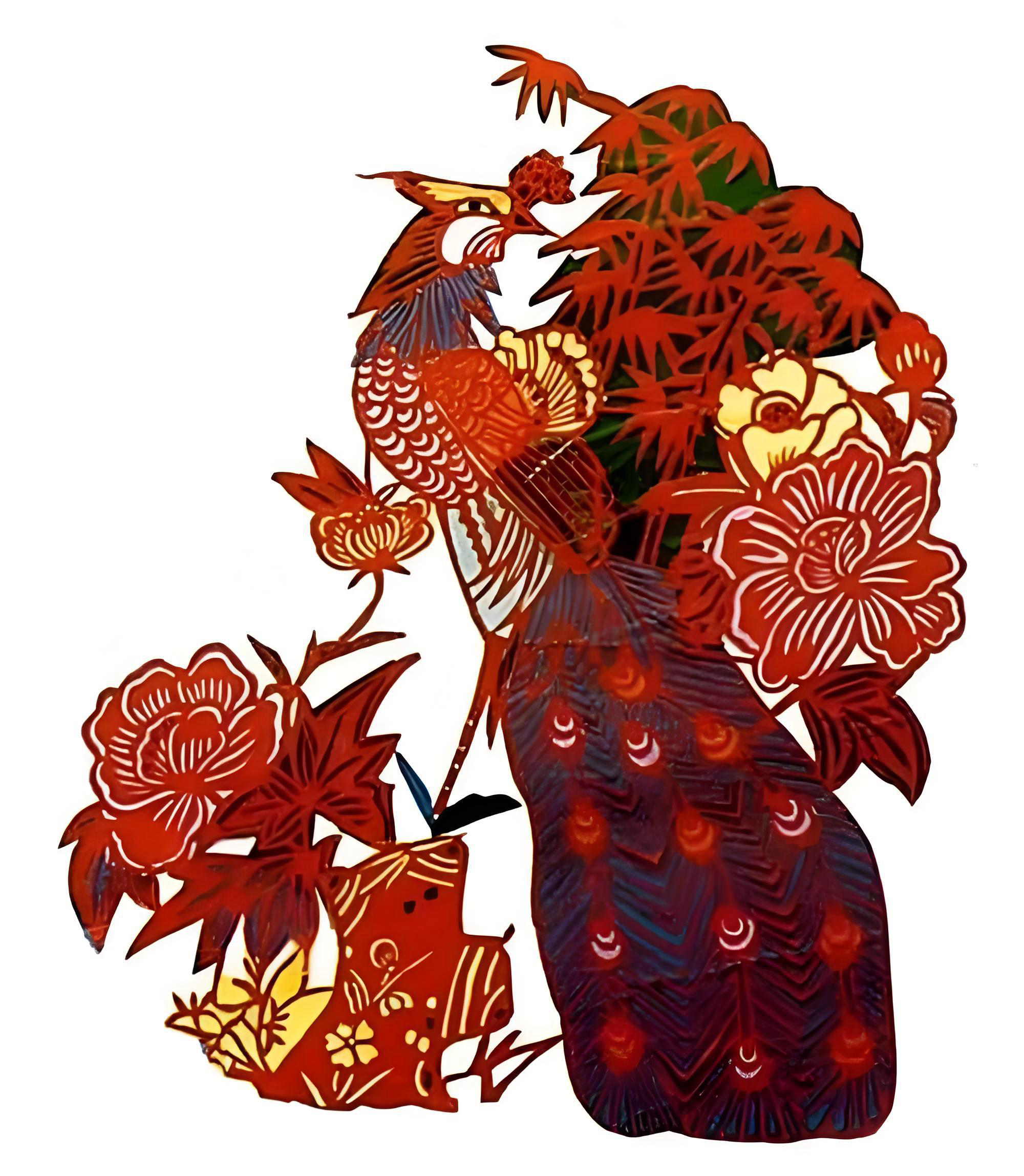
The charm of Guangling dyed Paper-Cutting lies in the perfect combination of "cutting" and "dyeing". The paper selection needs to use the unique rough - edged paper locally, which has strong toughness. When cutting, intaglio is the main method and relief is the auxiliary. The lines as thin as hair show the skill. Dyeing is the finishing touch. Craftsmen boil dyes with natural raw materials such as pagoda tree seeds and safflowers, and use "dot dyeing" and "gradient dyeing" techniques to make the colors transition naturally with distinct layers. A set of processes takes at least a few days and as many as half a month. Each work is a unique craftsmanship work.
Inheritance: The Contemporary Rebirth of an Old Craft
Today, Guangling dyed Paper-Cutting is no longer an exhibit in the window. Inheritors set up workshops and go to campuses and communities to teach skills; designers integrate traditional patterns into cultural and creative products and clothing to make the old craft trendy. If you walk into Guangling, you may as well cut a small flower by hand and dye a bright color to feel the temperature of the millennium - old craft.